Technology and Fashion: AI-Designed Apparel

Hello, and welcome to another installment of The Global Fashion Files! In this post, we are taking a look at a topic within technology and fashion: AI-designed clothing.

Undoubtedly, technology has infiltrated nearly every aspect of our lives, especially fashion. While it is not uncommon to read about the newest step-tracking footwear or temperature-regulating textile, have you heard about AI-designed apparel? It should come as no surprise that this appears to be the next step in the fashion industry.

A South Korean fashion firm named Handsome is one of the most well-known companies to utilize artificial intelligence and release apparel designed by it. By partnering with Designovel, a startup company that focuses on AI-oriented fashion technology, the company was able to produce its first AI-designed garment. Dino Hood Tee is a hoodie-like garment that features a dinosaur and block image. This image was created by Designovel’s fashion program called Style AI. Handsome provided Style AI with over three hundred thousand different images, and the program processed the provided images to create this design. The garment is sold under the SJYP brand and became available for sale in early December 2018, costing $215 and being sold online and in-store.

Although this technology is still in its early stages, it has great potential applications for the future. Handsome continues to work with Designovel to determine if artificial intelligence is appropriate for use in other sectors of the fashion industry. At the moment, they are looking into providing Style AI with additional data, such as trends, customer preferences, and social media, in order to create more relevant fashion lines as well as customized designs.

This trend even extends to U.S.-based companies, including Amazon, which is purportedly trying to use artificial intelligence to design some of the company’s apparel. Similar to designers, AI can analyze trends, examine past looks, and test new designs in order to create fashionable garments. According to some technology experts, it is a process that is easily replicated by a well-written algorithm.

Some individuals argue that AI is not yet prepared to design clothing by itself. By being “too mathematical,” AI runs the risk of being predictable and losing some fashion flair. In addition, though the technology may be able to examine images, it may be difficult to make a subjective determination about what image may be called “fashionable.” Furthermore, it may more frequently create garments and images that are inappropriate and potentially offensive depending on the images it uncovers in its search. While this technology could serve a purpose in the lower levels of the fashion industry, it will likely not affect higher-end or couture brands that pride themselves on tradition and creativity.

Nevertheless, AI is another exciting technological breakthrough in the fashion industry. As we move into the future, it is apparent that the trend will continue and more apparel designed by AI will be available for purchase online or in-store throughout the world. However, I suspect―for now―that the designs will be a joint effort, the result of a collaboration between a discerning designer and an evolving AI.

hand-1571852__340

My Resources, Your Resources:

Arnault, Laurenti. “Korea’s First AI-Designed Clothes are Now Available in Stores.” WT VOX, 4 Dec. 2018, https://wtvox.com/fashion-innovation/ai-designed-clothes/. Accessed 26 Dec. 2018.

Gonfalonieri, Alexandre. ““Alexa, How Do I Look?” How AI is Disrupting the           Fashion Industry …” The Startup, 14 Nov. 2018, https://medium.com/swlh/alexa-how-do-i-look-how-ai-is-disrupting-the-fashion-industry-a8e82351e4b6. Accessed 3 Jan. 2019.

“Korean Fashion Firm Handsome Unveils AI-Designed Clothes.” The Korea Times, 28 Nov. 2018, https://www.koreatimes.co.kr/www/tech/2018/11/325_259461.html. Accessed 19 Dec. 2018.

Wilson, David. “Could Advances in AI Fashion Design Signal the Beginning of the End for the Industry?” South China Morning Post, 24 Sept. 2017, https://www.scmp.com/lifestyle/fashion-luxury/article/2112355/could-advances-ai-fashion-design-signal-beginning-end. Accessed 1 Jan. 2019.


A Past, Present, and Future Reflection

Hello, and welcome to the ninth week of The Global Fashion Files! This week’s post is a personal reflection on my last eight weeks of blogging. I hope my readers gain a little more insight into my reasons for starting this blog, my experiences blogging thus far, and the future of The Global Fashion Files.

Past: Admittedly, at the beginning of this year, I never imagined that I would be creating or working on a blog. I have always enjoyed writing, having been a student writer and editor for my undergraduate institution’s fashion newsletter. However, the idea of running a blog never entered my mind until this year.

When I started my graduate degree in global fashion enterprise in August, it occurred to me that a blog dedicated to exploring the past, present, and future of fashion in other countries could be an intriguing endeavor. Although I have not traveled often up to this point in my life, I have always desired to travel more and learn about the world around me. This interest in expanding my knowledge of the world has resulted in several bookcases and bins brimming with publications on various global topics.

However, it is probably no secret that fashion is one of my most beloved subjects. Fashion has been in my blood from the time my parents discovered me reconstructing my doll’s clothing to my years as an undergraduate fashion design student. I am still enthusiastic about fashion, voraciously reading any magazines, journal articles, or books that discuss the topic.

Despite my love of all things fashion, it became apparent to me that I was lacking familiarity with the history of fashion in other countries. Much of my knowledge is based around the history of the European and American fashion industries, particularly because of the seemingly endless resources available on them. There are far fewer fashion history resources for countries—such as Nigeria, Egypt, and South Korea—that do not receive as much recognition for their amazing fashion industries. This lack of abundant information and my desire to learn more about the styles and fashion industries in other countries led me to start this blog.

When I started The Global Fashion Files, it was important for me to define my goals for the blog. What am I trying to say? How do I want to communicate my message? What do I want my readers to gain from my posts? After considering these questions, I concluded that I should present—in a straightforward yet entertaining way—valuable and intriguing information about the global fashion industry. Ultimately, I want my readers to have the same experience reading my blog posts as I do writing them: I want them to immerse themselves in each country’s fashion industry and enjoy learning more about fashion and the world in which it is brought to life.

Present: After eight weeks of blogging, I have learned a great deal about the fashion industries in other countries. It is fascinating to read about the styles, designers, technology, etc. in each country and share the information with my readers. Every week, this blog showed me the unique aspects of each featured country’s fashion industry, but it also made me realize that there are more similarities than differences in the fashion world.

Featuring the fashion industry in France in my first blog post on The Global Fashion Files was the perfect choice. France is often considered the birthplace of fashion, so it made sense to start my blog with this country and explore its extensive fashion history. It was encouraging to read about the current and future state of the haute couture sector. In addition, it was surprising to learn that France is one of the most advanced European countries for fashion technology, hosting several yearly trade shows dedicated to the topic. The country places great emphasis on honoring the traditional techniques at the heart of the fashion industry while exploring the possibilities of the future.

In my second blog post, Egypt’s fashion industry took center stage. Tracing back to 3000 B.C., it was evident that Egypt’s relationship with fashion is deeply rooted. Much of its women’s apparel history highlights fabrics, ornamentation, and construction techniques. From plain, elegantly-draped linen garments to colorful, elaborate bead-net dresses, there was quite a disparity in women’s wardrobe options. While fashion in Egypt is much more conservative, there are still many women who want to appear fashionable. With up-and-coming designers, an interest in technology, and greater global recognition, Egypt’s fashion industry continues to grow.

Arguably, Nigeria has the longest traceable connection to fashion of any African country, which made it a great candidate for my third blog post. A mix of ethnic groups and tribes―each with their own distinctive fashion―as well as a focus on textile design made Nigeria’s fashion history fascinating to research. In present day, individuals still don traditional Nigerian garb, but they may also wear jeans and t-shirts, resulting in a wide range of apparel options. Although Nigeria faces some challenges, its fashion industry is expanding quite rapidly as Nigerian designers emerge to compete with Western brands and embrace sustainability and technology.

My fourth week focused on a country that stunningly melds the past and present: Japan. From the beautiful beginnings of the kimono to the androgynous deconstructed looks of the ’80s to the eclectic mix of Harajuku styles, Japan’s fashion history is most certainly a feast for the eyes. Present-day styles are diverse, so it is no surprise to see individuals attired in kimonos, bright Cosplay apparel, or more conservative garments from brands like Uniqlo. As young Japanese designers gain international attention, more fashion schools are opened, and new technology is created, Japan’s fashion industry continues to make an impact.

Other than France, England is perhaps the best known European country for fashion, so it was an easy choice for my fifth blog post. Many of the fashions that were popular in France’s past were prevalent in England, illustrating the similarities between the two countries. Eventually, England began to set some of its own trends, including space ageism and glam. Although today’s world offers numerous fashion options, including domestic and international brands, British women are quite loyal to their preferred style. Influenced by sustainability and technology, England is looking to continue its fashion industry’s success long into the future.

For the sixth week, Spain was a fairly unconventional country to feature in my blog, but its growing global presence makes it notable. It was interesting to learn that Spain was once at the forefront of fashion in the past, influencing styles in other countries. The country is recognized for popularizing dark colors and as the birthplace of Cristobal Balenciaga, known for his architectural design aesthetic. Now, styles in Spain are much more contemporary, and Zara is a Spanish fast fashion retailer that is known worldwide. Several factors, including recognition of Barcelona among prominent fashion cities, an increase in the country’s fashion consumption, and the launch of some fashion tech startups, will help usher Spain’s fashion industry into the future.

Although South Korea does not have as long of a relationship with fashion as other East Asian countries, it has risen to prominence in the fashion industry in recent years, which made it the obvious pick for the seventh blog post. The beautiful simplicity of the traditional Korean hanbok and its subtle changes through the years is mesmerizing. South Korea’s youthful, street-focused fashion scene, which trickles into Seoul Fashion Week, sets the country apart from other fashion capitals. This unique youth-minded fashion perspective and emphasis on the fusion of fashion and technology earns South Korea’s fashion industry greater global recognition.

The eighth and most recent blog post on the United States seems appropriate and indispensable. The United States has a long and well-documented relationship with fashion. Because of the plethora of research on the topic, it is almost effortless to access information about the country’s fashion past, from the robe à la française in the early eighteenth century to the explosion of American ready-to-wear brands in the 1980s. In present day, the United States is a melting pot of styles with no prevailing one. The United States always endeavors to stay ahead of the curve, integrating technology into fashion and embracing new commerce methods and design approaches. These factors will further develop the United States’ fashion industry for the future.

These are all incredibly brief descriptions of each country’s fashion industry, but they serve to illustrate the breadth of information I collected during these eight weeks of writing The Global Fashion Files. While there are many elements that distinguish each country’s fashion industry, it is clear that the countries have similarities as well, mainly their focus on the industry trends of the future. As each country works toward further advancement and development, the global fashion industry becomes stronger.

Future: When I began The Global Fashion Files, it was an entirely new experience for me. I outlined goals when creating the blog, but I could not predict the outcome of my efforts. Every week, it was enjoyable to research the featured country and learn the particulars of its fashion industry. It was additionally encouraging to view my readership statistics and know that I was not the only one benefitting from my weekly posts.

I have gained a greater understanding of the world’s fashion industry in only eight weeks, yet I am still eager to build upon my knowledge. As a result, I have decided to continue The Global Fashion Files. I may be unable to update as consistently as I have in the past (graduate school certainly takes time!), but I will endeavor to update the blog as frequently as possible.

Furthermore, blog posts will be more varied and personal. Specific topics from the past, present, and future of the global fashion industry will be explored in some blog posts. A more personal perspective will be integrated into some of them as well. I am eager to embark on this new path for The Global Fashion Files, selecting the best elements of the blog’s past and present to develop it for the future.

The Last Stop: Once again, thank you for taking the time to read this post! If you have not already, be sure to check out all of my previous posts on the past, present, and future of women’s fashion in France, Egypt, Nigeria, Japan, England, Spain, South Korea, and the United States. I will return soon with more information about the past, present, and future of the global fashion industry, and I hope you―my readers―will join me on this journey!


Past, Present, and Future: United States

Hello, and welcome to the eighth week of The Global Fashion Files! This week, we are taking a look at the past, present, and future of women’s fashion in the United States! Although it once followed the styles coming out of Paris, the United States eventually gained attention for its own fashion industry. Now, the US has one of the most influential fashion industries in the world. Undoubtedly—with its melting pot of styles and designers—the fashion industry in the United States will continue to thrive long into the future.

Past: Other than France, the United States arguably has one of the longest, most well-documented relationships with fashion. This is due largely in part to the many individuals who have researched and published written works on the subject. As a result, the plethora of information has made it easy for everyone to read about the United States’ lengthy fashion past.

In the early eighteenth century, Americans residing in towns adopted European fashion styles that primarily originated in France. If clothing could not be imported, the styles were replicated by local dressmakers. These included styles such as the sacque (a loose-fitting gown) and robe à la française. However, working-class individuals favored practical garments, including a chemise, petticoat skirt, and short gown (similar to a blouse or jacket). They would complete the look with an apron.

Styles in the United States continued to mirror the country’s European counterparts. Empire styles characterized by straighter silhouettes, higher waistlines, and lightweight fabrics dominated in the early nineteenth century. A short jacket, known as a spencer, or a pelisse, a full-length jacket, was worn over the gowns of this period to provide warmth and modesty.

Between 1820 and 1835, styles began to transition. On dresses, waistlines moved lower, sleeves grew larger, and skirts became wider. In addition, perhaps the greatest variety of sleeve options up until this point became available to women, including demi-gigot, gigot, imbecile, and puffed sleeves.

The concept of wearing different types of gowns for specific times of the day emerged as well. Women began to wear daytime dresses, walking dresses, and evening dresses—each with a distinct appearance for the time’s anticipated activities. Day dresses were often constructed of utilitarian textiles, such as muslin, challis, and cotton, and evening dresses featured more luxurious fabrics like satin, silk, and organdy.

By 1836 to 1850, somber dresses were the primary style. Gowns appeared heavier, losing some of the lightness from previous decades. Evening dresses even lost some of their opulent appeal.

Known as the crinoline period from 1850 to 1870, women’s styles regained some of their former glory. Women wore hoops constructed of whalebone or steel to support the frequently changing silhouettes. Daytime styles were either one-piece dresses or separate blouses and skirts. During this period, a new style came to the forefront of fashion: the princess dress. With no waistline seam, the one-piece dress was shaped by long gored sections extending from the shoulders to the hem. In addition, evening dresses became daring and sumptuous once again with low, off-the-shoulder necklines, short, arm-baring sleeves, and elegant, intricate embellishments.

From 1870 to 1890, bustle-oriented styles were prevalent. Bodices took on the appearance of short jackets and skirts—with plenty of back fullness created by a bustle and long lengths of fabric—were made to match each bodice’s color. This style created a silhouette that appeared slim and fitted from the front and voluminous in the back. By the 1890s, bustles were no longer popular, and many women chose to focus on an hourglass silhouette.

Beginning in 1900, fashion in America began to change at an increasingly rapid pace. From 1900 to 1908, the predominant S-curve silhouette was highlighted in one-piece dresses with high-boned collars, full bodices, and rounded-hipline skirts. Women saw dresses becoming straighter, tighter, and shorter during the years between 1909 and 1914 as some extreme versions were named “hobble skirts.” During World War I, dress styles were more practical. Fuller, shorter skirts, looser bodices, and straight, fitted sleeves were more common, providing women with a greater range of movement than in previous years.

The 1920s saw the next biggest shift in American women’s fashion. Following the conclusion of World War I, some women adopted a youthful, boyish look that favored tunic, drop-waist dresses and straight-cut chemise styles. While the silhouette was quite simple, fabrics were elaborate in patterns and embellishments. These garments were quite easy and inexpensive for dressmakers to replicate, making it the preferred style of many women in this era.

In contrast to the flat bosom and straight-bodied silhouettes of the 1920s, the 1930s placed emphasis upon a woman’s natural curves. One-piece dresses, skirts, blouses, and suits were the most popular daytime apparel pieces, and hemlines fluctuated between long and short. Regardless of the garment type, all of them clearly outlined the wearer’s body shape.

Although many Americans still followed the styles dictated to them by Paris couture designers like Gabrielle “Coco” Chanel and Elsa Schiaparelli, Hollywood became influential in fashion as well. Women could watch their favorite actresses on the big screen and later go out and purchase replicated designs or garments with comparable design details to achieve a similar look. Movies in the 1930s served as a form of escape for many individuals and the fashion worn by the biggest stars was an important part of the appeal.

During World War II, American women adopted utilitarian styles. Designs were regulated, enforcing strict limits on fabric yardage, seams, buttons, pleats, and stitching. Tailored suits, one-piece dresses, skirts, and blouses needed to adhere to these regulations and be produced in practical styles.

Up until this point, American women were heavily reliant on Paris designers to learn about the newest fashions. Cut off from European fashion during World War II, American designers saw a chance to prove themselves. During this time, US designers became known for ready-to-wear, particularly minimalist separates and sportswear. It was the first step toward the establishment of the modern American fashion industry.

After World War II, Paris regained the world’s attention—including that of American women— with Christian Dior’s “New Look.” The abundance of fabric and luxurious appearance were a drastic departure from the wartime styles. Many women wore the style in some capacity as it was a welcome shift from their more practical war wardrobe.

The late 1940s saw a variety of dominant silhouettes for the first time in history. Both full and narrow skirts were worn by women. Neckline options ranged from rounded to square, and sleeves could be found in a variety of styles.

The 1950s and 1960s saw women continuing to wear the narrow waist, full skirt style of the “New Look,” but they were also exposed to new unfitted dress styles. In the mid-1950s, Dior and Cristobal Balenciaga released collections with A-line and tunic dresses. Although some women were initially reluctant to try the new fashion, unfitted dresses found a place in most American women’s wardrobes by the mid-1960s.

In the mid-1960s, the United States’ youth population began to dictate fashion trends. The shortest, most daring skirt styles to date—miniskirts and micro minis—emerged on the fashion scene, and only the chicest individuals wore them. At the end of the decade, some designers introduced the maxi, a full-length silhouette, and the midi, a calf-length silhouette, as other possible options. However, these styles were not widely adopted, and these lengths would not gain popularity until the mid-1970s.

By the 1970s, women of all ages began to wear jeans and pants on a regular basis. Flared, bell-bottom jeans as well as thigh-grazing hot pants served as the primary styles at this time. These bottoms could be paired with a variety of tops, such as loose-fitting blouses or tight-fitting sweaters.

Fashions of the late 1970s were more relaxed. Dresses that pulled on over the head and belted around the waist were popular. Wrap dresses, particularly those designed by Diane von Furstenberg, were a simple and common addition to women’s wardrobes. Pantsuits remained a dominant option, especially for women who were joining the workforce in larger numbers. While blouses and sweaters were fitted, they were not as tight as the styles of the early ’70s and oversized versions became prevalent as well.

It was clear by the 1980s that American consumers favored ready-to-wear apparel designed by domestic or international brands. Just as France was the founding country of haute couture, the United States’ claim to fame was ready-to-wear apparel. It was an exciting time for the American fashion industry as new designers, including Carolina Herrera, Tommy Hilfiger, Donna Karan, and Michael Kors, debuted their collections and presented their unique design perspectives.

Although some people might associate the 1980s with broad, padded shoulders and bright colors, the decade also saw the emergence of many so-called “style tribes.” Punks, goths, preppies, grunge, hip hop, and emo all had a style distinct to their particular “tribe.” The variety of fashion options encouraged individuals to visually express their point-of-view.

From the 1990s to present day, there has not been a prevailing style in the United States. Millions of fashion designers and brands exist in the world, giving consumers a plethora of options. Because of this, individuals are able to combine garments in their own way, developing a style that is specific to them.

Present: The United States is a melting pot of styles. With access to domestic and international brands, Americans are able to purchase garments of their choosing and mix them in a variety of ways. Using clothing to visually express one’s self is perhaps the greatest benefit of fashion.

From my years of living in the United States, it is difficult to identify one particular style among all women. On any given day, I may see someone dressed in cut-out yoga pants, a t-shirt, and sneakers or skinny jeans, a tank top, a cardigan, and boots or a full-length dress and high heels. Furthermore, individuals’ garment selections can be affected by many different factors, including culture, religion, weather, and personal style. These simple outfit examples do not even begin to scratch the surface of possibilities, but they can provide a brief glimpse into the diversity of individuals’ styles.

NY StreetwearImage: New York City, a fashion capital, is the perfect place to see the varied styles in the US.

Nevertheless, there are new trends that appear throughout the year and gain attention from fashion-forward individuals. In 2018, new trends abounded on the runways. Dark denim, plaid, throwback florals, athleisure, and redesigned trench coats are promising trends for this year. Wide-leg trousers, brand logos, and embellished jeans are also prevalent trends on the streets of New York and Los Angeles. However, new trends for the upcoming year include tie dye fabric prints, sheer fabrics, coordinating garments, and neon colors, as seen on the Spring 2019 New York Fashion Week runways.

Information about fashion is easy to access because of the variety of publications dedicated to fashion in the United States. Magazines like Harper’s Bazaar, InStyle, Vogue, and W are based in major US cities, including New York and Los Angeles, allowing readers to access—in both digital and print versions—information about the most relevant fashion topics. The popularity of these publications has spawned international versions of the magazines as well.

The United States is also home to many globally-recognized academic fashion institutions. Parsons, the Fashion Institute of Technology, Pratt Institute, Kent State University, Drexel University, and Thomas Jefferson University, East Falls Campus (formerly Philadelphia University) are just some of the schools consistently ranked in the top thirty best fashion schools in the United States and the world. All of them have strong fashion programs supported by experienced staff, abundant internship and study abroad opportunities, and high rates of job placement following graduation. Many successful individuals in the fashion industry have graduated from these academic institutions, which has helped the United States recruit promising students from all over the world.

In addition, the United States is known for hosting New York Fashion Week. Held twice a year, the event allows designers to showcase their collections to the media, buyers, and general public. It is considered one of the world’s four major fashion weeks along with the ones held in Paris, Milan, and London. Other cities have created successful fashion weeks that place more emphasis on promoting local designers, including Los Angeles Fashion Week, Philadelphia Fashion Week, Dallas Fashion Week, Miami Fashion Week, and Chicago Fashion Week.

Fashion ShowImage: A runway show.

Thus, it should be easy to deduce that countless well-known fashion designers and brands are headquartered in the United States. The fashion industry is a profitable business in America, and every year a list is compiled of the most valuable brands. In 2018, Nike was named the most valuable American fashion brand with an estimated worth of twenty-eight billion dollars. Other brands on the list include Polo Ralph Lauren, Victoria’s Secret, Michael Kors, Converse, Calvin Klein, Levi’s, Coach, GAP, and Old Navy. While there are several luxury brands listed, most of the brands recognized do not identify as luxury, such as Levi’s and GAP. These results strongly suggest that Americans—and potentially individuals in certain countries where these brands are sold—prefer more affordable ready-to-wear brands on average.

It is clear that the United States has a multifaceted relationship with fashion. Despite the arrival of new trends every year, there is no dominant style worn by all women. Instead, each woman is able to select and combine garments based on her own predilections. With access to numerous acclaimed magazines, academic institutions, fashion weeks, and brands, American women are able to easily educate themselves about fashion and obtain the garments that are appropriate for their distinctive styles.

Future: The fashion industry is constantly evolving, so it is logical that the United States endeavors to remain ahead of the curve. Integrating technology into fashion is certainly at the forefront of many individuals’ minds, but there are other areas of interest, including new commerce methods and innovative design approaches. All of these topics play an integral role in the future of the United States’ fashion industry.

Without question, the fusion of technology and fashion is garnering considerable attention. Several companies in the US are exploring this relationship between tech and fashion. Loomia, a Brooklyn-based tech company, produces electric fabrics that can emit heat and light as well as respond to touch. threeASFOUR, an avant-garde fashion label run by three artists, presents collections at New York Fashion Week that comprise 3D printed dresses with four-dimensional stretch. Bacterial textile dyes, solar-powered fashion, and interactive fashion are several additional examples of the possibilities.

Technology will also provide consumers with greater control over personalization and convenience. Rather than purchasing previously-designed products, individuals can now assist in the design process—even if it is something as simple as selecting the color or pattern combinations. In addition, artificial reality can give consumers a glimpse into a brand’s product offerings and permit them to interact with the item before they purchase it, such as viewing a model wearing a garment while walking down a runway. As brands incorporate these types of technology into their companies, the average consumer will gain more influence in the fashion industry.

In the US, there are even entire organizations dedicated to fostering the relationship between technology and fashion. The New York Fashion Tech Lab is a nonprofit organization that accepts applications from fashion-oriented technology companies operated by women and links the chosen ones with New York-based retailers and brands. Its goal is to support female-run businesses and encourage collaboration and business growth within the New York fashion community.

Technology is also being utilized in the sale of products. By 2026, it is expected that the majority of consumers will make online purchases from their smartphone, making mobile purchasing (mcommerce) a strong market and requiring retailers to reconsider the shopping experience. Data—collected from tracking consumers’ purchases and shopping habits—will eventually help retailers and brands personalize the shopping experience for every customer, adapting to their individual needs. In addition, e-commerce will continue to thrive, and it will be essential for US brands to sell products on platforms like Amazon, Ebay, and Alibaba to secure the attention of new customers and retain their current ones.

While innovative technology and commerce methods play pivotal roles in the United States’ fashion future, new approaches to design are part of the evolution as well. Sustainability and transparency are recent and growing trends in the industry. Some designers in the US are seeking ways to make their garments more sustainable, including biodegradable items, water-free dyeing processes, and fibers made of unconventional materials. There is also significant pressure on fashion brands in the US to share information about their manufacturing processes, including how and where their products are made as well as how the workers are treated and what wages the company pays them. A greater emphasis on social responsibility has emerged in recent years, placing many US fashion brands under scrutiny and forcing them to reexamine their business practices.

When fashion is discussed, it is often referred to as an “evolution,” but it could be argued that the current industry is experiencing a “revolution.” Long-held traditions are giving way to a new landscape that includes acknowledging the power of social media, increasing the collections produced each year, recognizing the growing influence of the average consumer, and responding to customers’ needs faster. All of these elements are particularly relevant to American brands and consumers. Designers, including Miuccia Prada, Rick Owens, and Alessandro Michele, support this change through their clothing, helping to define the current status of the industry. In the future, it is expected that a new wave of designers will redefine the fashion industry according to the times.

The Last Stop: For years, the United States has retained its position as one of the most influential countries in the global fashion industry. An abundance of research exists on the country’s fashion history, giving individuals a glimpse into its lengthy relationship with apparel. Currently, the country is home to a thriving fashion industry and a myriad of styles, brands, and designers that reflect its diversity. A number of factors—technology, sustainability, new commerce methods, and innovative design approaches—will affect the global fashion industry in the future, but its past suggests that the United States will continue to adapt and contribute to the industry’s transformation.

Thank you to all of my readers! If you found this information helpful and inspiring, or you would like to see a specific topic featured in one of my weekly blog posts, leave a comment. Be sure to check out my previous posts on the past, present, and future of women’s fashion in France, Egypt, Nigeria, Japan, England, Spain, and South Korea. Stay tuned for a special post next week as I reflect on my first eight weeks of blogging!

My Resources, Your Resources:

Batchelor, Megan. “Best Fashion Schools in the World for 2018.” CEO World, 15 May 2018, https://ceoworld.biz/2018/05/15/best-fashion-schools-in-the-world-for-2018/.  Accessed 30 Oct. 2018.

Bradford, Julia. Fashion Journalism.1st ed., New York, Routledge, 2015.

Carreon, Justine. “ELLE.com’s Guide to the Biggest Fashion Trends of Spring 2019.” Elle, 14 Sept. 2018, https://www.elle.com/fashion/trend-reports/g23131685/spring-summer-fashion-trends-2019/. Accessed 30 Oct. 2018.

“Fashion Technology and Innovation Shape the Future of Fashion.” DHL InMotion, 14 May 2018, https://www.dhl-in-motion.com/en/fashion/article/fashion-technology-and-innovation-shape-the-future-of-fashion. Accessed 30 Oct. 2018.

Fisher, Lauren Alexis. “#TheLIST: 10 Trends You’ll Be Wearing In 2018­—And 3 You Should Retire.” Harper’s Bazaar, 11 Dec. 2017,  https://www.harpersbazaar.com/fashion/trends/g14405059/fashion-trends-2018/. Accessed 30 Oct. 2018.

Fury, Alexander. “The Future of Fashion.” Harper’s Bazaar, 30 Oct. 2017, https://www.harpersbazaar.com/fashion/designers/a13116221/future-of-fashion/. Accessed 30 Oct. 2018.

Hoffower, Hillary. “America’s 15 Most Valuable Fashion Brands are Worth Nearly $70 Billion Combined—But One Company Dominates.” Business Insider, 7 July 2018, https://www.businessinsider.com/nike-most-valuable-american-fashion-brands-2018-6. Accessed 31 Oct. 2018.

Iliff, Rebekah. “3 Trends Fueling the Future of the Fashion Business.” Inc, 16 Aug. 2018, https://www.inc.com/rebekah-iliff/3-trends-fueling-future-of-fashion-business.html. Accessed 30 Oct. 2018.

Launchmetrics Content Team. “10 Predictions about the Future of Fashion for 2018.” Launchmetrics, 27 Dec. 2017, https://www.launchmetrics.com/resources/blog/predictions-for-the-future-of-fashion.  Accessed 30 Oct. 2018.

Mendes, Valerie, and Amy de la Haye. Fashion Since 1900. 2nd ed., Singapore,         Thames and Hudson, 2010.

The New York Fashion Tech Lab. NYFTLab, http://nyftlab.com/theprogram. Accessed 31 Oct. 2018.

Phelan, Hayley. “The Future of Fashion Retail: Here’s How You’ll Shop in 2026.” Elle, 22 July 2016, https://www.elle.com/fashion/shopping/a37872/the-future-of-fashion-retail/.  Accessed 31 Oct. 2018.

“10 Must-Know Fashion Trends for 2018.” USA Today, http://classifieds.usatoday.com/uncategorized/10-must-know-fashion-trends-2018/. Accessed 30 Oct. 2018.

Tortora, Phyllis G., and Keith Eubank. Survey of Historic Costume.5th ed., USA,         Fairchild Books, 2010.


Past, Present, and Future: South Korea

Hello, and welcome to the seventh week of The Global Fashion Files! The past, present, and future of women’s fashion in South Korea is the topic of this week’s post! Although South Korea does not have as long of a relationship with fashion as other East Asian countries, South Korea has cemented its place among the world’s top fashion capitals. The country’s subtle, elegant designs of the past clash in a surprisingly pleasant way with the bold streetwear of the present. As home to some of the world’s most advanced technology, South Korea’s fashion industry will undoubtedly be a leader in wearable technology. With an often underappreciated apparel history, an exciting contemporary fashion industry, and a promising future, South Korea will continue to attract global attention.

Past: Traditional Korean dress for women dates back to first century BCE. Known as hanbok, or “Korean clothing,” it consisted of the chima (skirt) and the jeogori (jacket). To wear these garments properly, women had to put on their undergarments, then the chima, followed by some sort of upper undergarment, and lastly the jeogori. Some women, depending on the weather, would wear a coat or vest over their outfit.

Both of the garments needed to be tied correctly. The chima is a large rectangular piece of fabric that has two sashes at the top, allowing the wearer to wrap and tie the skirt above the bosom or waist. The jeogori covers the top of the skirt, and the bow of the jacket points left. The jacket’s collar—often made of cotton or silk—is removable to allow for laundering.

Many of Korea’s original apparel styles were influenced by other cultures in Asia. In 200 BCE, Korea discovered silk production from their Chinese neighbors, and it was rapidly adopted as the preferred fiber for royal court. China’s Tang dynasty influenced Korean fashion further during the United Silla period (668-935 CE) as many women adopted Chinese styles. This influence continued into the Goryeo dynasty (until 1392) with dragon and crane motifs as well as new trims and embellishments. There were few changes to the basic silhouette of the garments, indicating Korea’s discerning adoption of foreign styles.

The lengthy Joseon dynasty (1392-1910 CE) took inspiration from China’s Ming dynasty. The period saw several changes to the hanbok, such as a shortened jeogori, contrasting borders and patches on the jeogori, and the fuller chima tied decoratively in the front. This style remains the predominant hanbok style in present day. While sumptuary laws prevented the average Korean woman from wearing certain styles of the upper class, all women wore similar styles by the nineteenth century.

The beauty of traditional Korean fashion lies in the elegant simplicity and thoughtful ornamentation. Embellishments inspired by the natural world as well as colors or designs associated with longevity and good fortune were frequently used in garments. The color of a hanbok could indicate a woman’s marital status, age, and even the presence of a husband or son in her life. However, history shows that Koreans in the past tended to favor white over bright colors, earning them the nickname “the white-clad people” for their apparel and peaceful tendencies.

In addition, quality fabrics played an important role in the creation of garments. Silk, cotton, hemp, wool, and union (constructed of various warp and weft fibers) were the most popular fabrics. Many individuals were involved in fabric production, and each person was assigned to a specific task, such as weaving cotton or creating gold yarn.

In the latter part of the twentieth century, some people continued to wear hanbok on a daily basis, visually expressing pride in their Korean identity. Eventually, the traditional hanbok was reserved for special occasions, such as weddings and birthdays. It is also possible to see individuals—Koreans and foreigners alike—wearing hanbok around historic sites in an attempt to enhance their cultural experiences.

Camille Fuller, who spent a semester studying abroad in Seoul, South Korea during her junior year in college, has fond memories of the traditional fashion in the country. She states, “The traditional Hanbok was often mixed into everyday attire. South Korean citizens and tourists were often spotted wearing these traditional garments at popular temples, palaces, and villages.” Camille recalls, “There were so many beautiful colors and patterns to choose from. It was amazing to experience putting the ensemble on and learning about the importance of what each piece of the outfit meant.”

korean-2587180_960_720

Image: The back of a more modern Korean hanbok.

pauline-mae-de-leon-476456-unsplash

Image: A group of young Korean women wearing hanbok at a temple.

By the early 1900s, some Korean women adopted Western dress. In 1919, Christian missionaries visited and shared new styles with Korean women. Japanese occupation of Korea (1910-1944) introduced more contemporary styles to the country as well. By the Korean War (1950-1953), modern Western styles became more prevalent as women joined the workforce in larger numbers and transformed their social lives. Military styles in dark colors were quite common during the wartime period.

In the 1950s, South Korea’s modern fashion industry was born. New styles from the United States emerged, the first academic fashion institution opened in Seoul, several thriving fashion markets opened to the public, and fashion shows were introduced as well. By the 1960s, Korean women were experimenting with more daring styles, particularly miniskirts, and Korea’s first fashion magazine Uisang debuted in the country.

The 1970s and 1980s saw greater youth-led fashion movements. In the 1970s, youth favored bold styles like hot pants and punk-inspired clothing. The 1980s was a period for casualwear, such as t-shirts, jeans, and jumpers, popularizing athletic brands.

By the 1990s, Korean Pop—greatly influenced by hip-hop and rap music styles—inspired new fashion trends. At this point, much of the fashion in South Korea was practically identical in style to its Western counterparts. The 2000s saw the start of Korean styles popping up in the global market, inspiring international designers, and captivating the attention of consumers around the world.

Present: Fashion in South Korea today is an amalgamation of styles. From bold to subtle and daring to elegant, it is possible to see any of these elements represented in an individual’s outfit in Seoul. Therefore, it is fascinating to see the country’s varied street styles and distinct design aesthetics.

As a result of the younger demographic, streetwear is one of the most popular styles in South Korea. Younger shoppers tend to prefer trendy commercial brands that offer denim garments, logo t-shirts, and oversized hoodies. Yet, it is also possible to find people that pair streetwear-inspired garments with more tailored pieces, creating a unique look.

Because Seoul has a more youthful, street-focused fashion scene, it distinguishes itself from other major fashion cities like Paris and New York. The influential youth provide a different perspective about how to combine garments and take a greater interest in their personal appearance. They dedicate a lot of time to creating a complete look that corresponds to their personal style.

cait-whittaker-1086223-unsplash

Image: A view of certain fashions on the streets of Seoul.

As one might expect, some of the fashion in South Korea, particularly sportswear, is greatly influenced by European and American styles. It is possible to find locations of countless mainstream international brands scattered throughout Seoul. Garments like ripped jeans, oversized pullovers, sneakers, hats, and casual blazers are wardrobe staples among many young Korean women.

Many individuals who have traveled to South Korea remark about the similarities to Western fashion, but they are also quick to point out the uniqueness of the country’s own fashion as well. Camille recalls, “There were definitely a lot of styles there that I saw in America.” However, she went on to state, “After buying a few of the pieces and wearing them in the US, people still ask me where I got them, as they haven’t seen anything like it.”

Another unique aspect of women’s fashion in South Korea is the propensity to layer garments. It is not uncommon to see a t-shirt layered under a button-down shirt with a blazer on top or a blouse layered underneath a sweatshirt. Although fashion in South Korea is constantly changing and each person has their preferred style, most women remain fairly conservative about exposing certain body parts. It is more common to see women baring their legs than their arms or shoulders. Therefore, Korean women greatly benefit from layering their clothes, which allows them to preserve a certain level of modesty while expressing their individual styles.

tycho-atsma-153058-unsplash

Image: A look worn by a woman in South Korea.

Despite the dominance of Western fashion brands, Seoul Fashion Week draws international attention to Korean designers every year. Held twice a year, the event features prominent designers and brands, placing particular emphasis on domestic ones. Celebrities, magazine editors, and wealthy consumers from all over the world regularly attend the event to view the fresh designs. In addition, the event promotes promising local designers, helping them gain international exposure. This is just one of the several  ways that South Korea supports its many up-and-coming fashion designers in their endeavors.

While studying abroad, Camille Fuller was able to attend Seoul Fashion Week and provide a first-person perspective of the shows. She says, “Usually in America, attending a NYFW show is all about your connections. When in South Korea, my friends and I just reached out to two designers, who were hosting shows and they were gracious enough to give us tickets.” She fondly recalls the experience, stating, “The garments were beautiful and I never thought I’d attend a fashion show in another country. I think they were excited to share their creations with us! It was so sweet of them to allow us to attend.”

Every year, new Korean designers emerge, offering distinct design aesthetics. In 2018, Heta, EENK, and BESFXXK are listed as rising brands. Heta focuses on avant-garde, luxury womenswear that is gender neutral. EENK is a brand that prioritizes classic, occasionally vintage, pieces with a contemporary twist. Finally, BESFXXK creates garments that are multifunctional while merging historic and contemporary elements. These three brands alone illustrate the eclectic mix of fashion in South Korea.

Future: As one of the most connected countries in the world, it is unsurprising that much of South Korea’s future in fashion lies in technology. So far, the country is exploring the direct integration of technology into garments, using electronic devices to design collections, and enhancing consumers’ fashion experiences. Undoubtedly, the fusion of fashion and technology is a primary focus for South Korea’s fashion industry as it moves into the future.

One major company in South Korea is at the forefront of exploring the relationship between technology and fashion: Samsung. Unbeknown to many people, there is a sector in Samsung entirely dedicated to fashion called the Fashion Group. Founded in 1954, Samsung C&T Fashion Group was a textile company that owned high-quality factories. In the 1970s and 1980s, they expanded their business with licensing. Other international brands, such as Tory Burch and rag & bone, teamed up with Samsung in order to break into the increasingly profitable luxury market in South Korea. Samsung serves as a distributor of the brands, working with them to run their businesses and manage their stores.

In addition to distributing international brands, Samsung’s Fashion Group has several independent fashion brands of their own. Galaxy, Beanpole, KUHO, LEBEIGE, and 8seconds are just some of the brands under Samsung’s Fashion Group umbrella.

In addition, Samsung supports South Korea’s fashion industry in other ways. Samsung Fashion Institution is a group of industry experts, Samsung Design Net is Korea’s biggest fashion database, and Samsung Fashion Design Fund helps ambitious young designers in achieving their dreams. Since they have already established a strong presence in South Korea, Samsung’s Fashion Group intends to branch out into the global market, advocating Korean fashion throughout the world.

To assist in gaining greater recognition, Samsung is a strategic partner of the Council of Fashion Designers of America (CFDA). For the first time in 2017, Samsung teamed up with the CFDA to offer a unique experience to attendees at the CFDA Fashion Awards After Party. Individuals utilized virtual reality technology and a 360-degree photo booth at the party. Plus, they had the opportunity to purchase wearable technology items. Events like this further strengthen Samsung’s relationship with the global fashion industry, and it is likely the company will continue to pursue a closer association.

Samsung also provides technology to designers around the world to help them succeed in their careers. Aurélie Fontan, a London-based designer, produced the world’s first capsule couture collection from the Samsung Galaxy Note9. She sketched, wirelessly communicated with production devices, printed three-dimensional fastenings, and painted patterns on fabric. By synchronizing all of her apps with the suppliers, she was able to communicate with them and modify her designs regardless of her location, accelerating the prototyping and development processes. Composed of recyclable leather and biodegradable 3D plastic fastenings, it took Fontan six weeks to produce the entire collection from concept to final garment.

Fontan’s one-of-a-kind collection demonstrates a new design method that could become standard in the future. Most of the fashion industry’s success lies in the ability to respond quickly to consumers’ needs and build strong relationships with global partners. Being able to collect inspiration, control production devices, and communicate instantly and effectively with design and manufacturing partners anywhere in the world, it is clear that the Samsung Galaxy Note9 presents new possibilities for innovative designers.

The Last Stop: There is no denying South Korea’s important role in the global fashion industry. Although there is less information available about the history of fashion in South Korea than other East Asian countries, it is certainly a worthy topic. The hanbok—an enduring symbol of Korean women’s identity—is an elegant and intriguing historic costume. Although the hanbok is still worn today, much of the fashion seen on the streets of Seoul is modern and youthful with an emphasis on streetwear. The eclectic mix of fashion attracts attention from individuals all over the world, repeatedly drawing them to Seoul Fashion Week. As the country moves into the future with a focus on emerging designers and fashion-oriented technology, the global fashion industry will continue to recognize South Korea as a fashion leader.

Thank you to all of my readers! If you found this information helpful and inspiring, or you would like to see a specific topic featured in one of my weekly blog posts, leave a comment. Be sure to check out my previous posts on the past, present, and future of fashion in France, Egypt, Nigeria, Japan, England, and Spain. Next week, our exploration of the past, present, and future of women’s fashion will take us to a country with which I am thoroughly familiar: the United States!

My Resources, Your Resources:

“About SFW.” Seoul Fashion Week, http://www.seoulfashionweek.org/aboutSFW?langSet=english. Accessed 25 Oct. 2018.

Amarca, Nico. “Why Seoul, South Korea Is the Hottest Fashion City in Asia.” Hypebeast, 2 Nov. 2017, https://hypebeast.com/2017/11/korean-fashion-2017. Accessed 25 Oct. 2018.

Chang, Katie. “Three South Korean Fashion Designers You Need to Know.” Forbes, 31 July 2018, https://www.forbes.com/sites/katiechang/2018/07/31/three-south-korean-fashion-designers-you-need-to-know/#2bc34fe3e8d1. Accessed 25 Oct. 2018.

“Clothing and Fashion.” Korea, http://www.korea.net/AboutKorea/Korean-Life/Clothing. Accessed 25 Oct. 2018.

“Fashion Group.” Samsung CNT, http://www.samsungcnt.com/eng/business/fashion.do. Accessed 25 Oct. 2018.

Han, Hyonjeong Kim and Yun Gyun S. Hong. Couture Korea. San Francisco: Asian Art Museum, 2017.

“Inspiring and Empowering Creators in Fashion.” Samsung, 13 June 2017,           https://news.samsung.com/us/CFDA-awards-837nyc-inspiring-and-empowering-creators-in-fashion/. Accessed 25 Oct. 2018.

Karimzadeh, Marc. “Samsung’s Fashion Evolution.” CFDA, 19 Sept. 2016,  https://cfda.com/news/samsungs-fashion-evolution. Accessed 25 Oct. 2018.

Kim, Dianne P. “12 Items You Should Add In Your Closet To Get That Korean Fashion  Look.” Soompi, 23 Mar. 2018, https://www.soompi.com/article/1139791wpp/12-items-add-closet-get-korean-fashion-look. Accessed 25 Oct. 2018.

“Mobile Couture: French Designer Creates World’s First Fashion Collection     Produced by a Smartphone.” Samsung, 18 Oct. 2018, https://news.samsung.com/uk/mobile-couture-french-designer-creates- worlds-first-fashion-collection-produced-by-a-smartphone?utm_source=rss&utm_medium=direct. Accessed 25 Oct. 2018.

Samuels, Gabriella. “Evolution of South Korean Fashion and Makeup Culture.” Asia House Arts, 2 July 2018, https://asiahousearts.org/evolution-south-korean-fashion-makeup-culture/. Accessed 25 Oct. 2018.

Welters, Linda, and Abby Lillethun. Fashion History: A Global View. Bloomsbury Academic, 2018.


Past, Present, and Future: Spain

Hello, and welcome to the sixth week of The Global Fashion Files! In this week’s post, we will explore the past, present, and future of women’s fashion in Spain! Although Spain is not often the first country to come to mind when fashion is mentioned, the country has made many notable contributions to fashion in the past, including popularizing dark colors. Spain continues to establish its place among the elite fashion countries. In the present, the world is easily able to identify Spanish brands like Zara and enjoy the colorful, eccentric garments created by local designers. As Spain works toward gaining further global recognition, new technology, up-and-coming brands, and a strong fashion market will assist the country in achieving its goal.

Past: In the sixteenth century, Spain was at the forefront of fashion, even influencing Western fashion. Many of the Spanish styles were bulky and unwieldy. It took some women hours to dress in the latest garments. Capes and corsets were common items in women’s wardrobes, and they were often made of thick fabrics with colorful embroidery as adornment.

At this time, floor-length dresses with stiffer skirts and without trains were the most popular style. In order to achieve this silhouette, women wore Spanish farthingales, or a structural support device made of either whalebone, cane, or steel and formed into a cone shape. These hoops—also known as verdugale or verdugado— were sewn into the petticoat or underskirt, but they could also be sewn directly into the dress. When worn with a gown, the supporting hoops created an hourglass shape. Spanish farthingales were prevalent in Spain and were eventually adopted in other parts of Europe as well.

Another item of Spanish origin is the ropa. The ropa was an unbelted, A-line outer gown with no sleeves or sleeves of various types, such as short, puffed ones or long ones. While some styles of this outer gown were closed in the front, most ropas were open, showcasing the dress underneath it. It is possible this style of dress originated from the Middle Eastern caftan, which also featured a looser fit.

Under Philip II’s reign, it became popular to dress like a Spaniard. Black became the predominant color choice for individuals who hoped to display sophistication and wealth. It was a challenging and costly color to preserve, but Spaniards soon found a plant that helped them attain a deep and fairly permanent black color. With the intention of selling the long-lasting black dye and earning revenue for the Spanish Crown, Philip II embarked on making the color black fashionable. Ultimately, it became essential to possess at least a few articles of black clothing to adhere to the new trend.

In addition to the color black—which was most often worn for special occasions— luxurious, thick fabrics and intricate embroidery were used in the creation of many Spanish styles. Gold and silver threads were greatly utilized in the embellishment of clothing. Other bold colors were integrated into women’s wardrobes as well, whether it was red fabric for a dress or opulent gold jewelry with brightly-colored precious stones.

Despite its obvious influence on European fashions in the sixteenth century, Spanish style remained rather stagnant. As a result, many of the styles of the seventeenth century were dictated by France and England. Spain’s citizens gained knowledge of the latest trends through traveling noblemen and noblewomen, fashion manufacturers, French dressmakers who established businesses in the country, and the press.

By the nineteenth century, upper-class women and prominent Spanish dressmakers traveled to Paris regularly to stay up-to-date on the newest fashions. The twentieth century saw the rising popularity of local dressmakers, including Carolina Montagne and Pedro Rodriguez, in Barcelona and Madrid. However, these individuals gained little to no recognition for their designs outside of the country.

Undoubtedly, the Spanish designer who was best known domestically and internationally in the twentieth century is Cristobal Balenciaga. In 1916, he established a shop in San Sebastian, but he later moved to Paris in 1937. At the beginning of World War II, he returned to Spain to avoid the war. Following the conclusion of World War II, he returned to Paris to reopen his shop and became one of the greatest designers of Paris couture.

Balenciaga utilized muted browns and blacks reminiscent of older Spanish styles and influences of abstract and cubist art can be found in his designs. He sculpted his garments to the female body from a semi-fitted suit jacket to a cocoon coat to a flamenco evening gown that was short in the front and longer in the back. In order to accomplish the sculptural effects he needed for his designs, he and Swiss fabric house Abraham produced a silk named gazar, which is very lightweight but capable of retaining a shape and hanging away from the body.

Cristobal Balenciaga closed his Paris fashion house in 1968 and returned to Spain at the age of seventy-five. He is revered for his attention to detail, particularly the proportion and cut of his garments. Perhaps the greatest defining characteristic is the architectural element of many of Balenciaga’s designs. These distinguishing features helped him attain a place among the greatest couturiers of the twentieth century.

It was only in the mid-1980s that Spanish fashion significantly expanded into the global market. The government assisted in the revitalization of Spain’s fashion industry, particularly by establishing the Center for the Promotion of Design and Fashion (CPDM), creating awards to honor the most talented individuals, and displaying Spanish fashion in numerous museum exhibitions. In addition, the rapid expansion of Spain’s ready-to-wear sector with the assistance of major retailers like Zara helped global customers begin to more closely associate the country with fashion.

Since the 1980s, Spain has become home to numerous international fashion brands as well as smaller Spanish brands. Therefore, it is fairly common for women to mix-and-match garments from larger international brands along with pieces from domestic ones. As women’s wealth and professional opportunities grew, they showed a preference for classic clothing from designer brands. However, many women still took pride in wearing Spanish brands that offered designs similar to other international brands.

Despite the more modern styles now found in Spain, some traditional styles endured through the years. The mantilla is a veil headpiece constructed of light lace or a silk scarf worn over the head and shoulders and held in place with a peineta, or a sizable ornamental comb. A gilet, or a chaleco in modern Spanish, is a tailored, sleeveless jacket that is tastefully embroidered. Furthermore, flamenco performers still wear traditional Spanish dresses in red, white, or black. Although these garments may be worn on a daily basis, they are often reserved for special occasions, and the styles may vary from region to region.

flamenco-dancer-3433994_960_720

Image: A traditional Spanish dress worn by a flamenco dancer.

Present: The fashion industry in Spain is flourishing in present day. Many factors contribute to the country’s current success. The profitable textile industry, a variety of Spanish fashion companies, Madrid Fashion Week, and the plethora of chic styles help Spain maintain its position in the global fashion industry.

In the past, quite a bit of emphasis has been placed on the fabrics used to create garments. Therefore, it is unsurprising that Spain’s textile industry plays a vital role in the global fashion industry. In fact, leather and textile goods are among Spain’s chief exports, indicating an international demand.

In addition, Spanish brands and designers are not only becoming increasingly profitable, but they are also becoming household names worldwide.  Inditex Group—best known as the parent company of Zara—is the most well-known Spanish fashion company. With almost two thousand stores globally, the company can produce up to thirteen sizes of the same garment, but they never repeat a design—despite introducing and selling numerous new designs twice a week. Beyond Zara, other stores, including Loewe, Camper, Desigual, Mango, and Cortefiel, have found success in Spain. Designers, such as Paco Rabanne and Ágatha Ruíz de la Prada, have become fashion sensations in Spain and abroad, developing new trends. One commonality among brands and designers in Spain is their shared understanding of the need to respond quickly to changes in the fashion industry and repeatedly attract their target consumers to increase sales.

Madrid Fashion Week also plays a critical part in stimulating Spain’s fashion industry. Annually, the best Spanish designers gather to present their collections. The money collected from ticket sales for entrance to the shows supports organizations that encourage further internationalization of Spanish fashion companies.

Styles in Spain are very similar to styles in Western countries. While personal style can vary—some women may wear bohemian, punk, or preppy looks—Spanish women in cities like Madrid and Barcelona will wear chic designer clothing. The majority of fashion choices are a combination of comfort and style, which complements the laidback attitude of most Spanish individuals.

There are a variety of color options in Spain, but women tend to wear colors that are specific to certain seasons. Dark colors and earth tones are common in fall and winter. Although subdued colors may also be worn into spring, bright colors begin to creep into women’s wardrobes. By summer, women are wearing bright colors regularly.

The seasons play an important role in dictating women’s wardrobes. In fall, winter, and spring, women often wear layers, such as jeans, a blouse, a sweater, and a jacket, in order to adapt to the fluctuating temperatures. By summer, Spanish women wear garments that are lightweight and flowing, such as dresses, mid-length shorts, and tank tops. Regardless of season, most women in Spain’s cities will keep their wardrobe fairly conservative to avoid showing too much skin.

spain-601683_960_720

Image: An example of fashion on the streets of Barcelona.

Future: Spain has great potential to expand its fashion industry both inside of and outside of the country’s boundaries. Individuals in other parts of the world already recognize the country for its more recent contributions to fashion, particularly Zara. With strong emerging fashion cities like Barcelona, a growing demand for the latest fashions, and the development of several cutting-edge technology companies, Spain is poised to regain its place as a fashion leader.

The Global Language Monitor is an organization that tracks how often cities are mentioned on blogs, journals, newspapers, and websites to determine the ten leading fashion cities each year. Basically, it uses this data to ascertain the trending topics. For many years, Barcelona has earned its spot among a variety of other prominent cities, including Tokyo, Shanghai, Los Angeles, and Rome. Its popularity is attributed to the country’s influential youth population and the increase in vibrant, quirky Spanish fashion. It is expected that Barcelona will maintain its position on this list as the city continues to generate interest from around the world.

Meanwhile, in Spain, consumers are showcasing a growing interest in fashion. It is expected that apparel spending will increase 10.6% by 2019, making it the European country with the largest increase in fashion consumption. This is due in part to less expensive fashion retailers, such as Shana, H&M, Blanco, and all of the Inditex Group brands. These apparel brands succeed because they are able to quickly respond to consumers’ needs and offer fashionable clothing options at affordable prices. In addition, the prevalence of online shopping contributes to this increase in sales in the e-commerce sector of Spain’s fashion industry.

In general, the world is fascinated with the recent emphasis on the blend of fashion and technology, and Spain is no exception. Several tech startups—all headquartered in Barcelona—are assisting Spain’s fashion industry with breaking into the future. Moves to Slow Fashion is an online retail platform that offers customers an alternative to fast fashion, presenting them with chic apparel from ethical and sustainable designers. Wide Eye Technologies, an artificial intelligence-focused company, created software that allows individuals to take a photo of their favorite celebrity outfit in a magazine and locate a less expensive alternative. The software utilizes image recognition to find a similar outfit among its partner stores’ collections, and it is even capable of recommending complementary items. Other tech companies and apps like YUME_HUB, Brand Your Shoes, Privalia, and Wallapop are ushering in a new era for the global fashion industry.

The Last Stop: It is possible to say that Spain has one of the most tumultuous relationships with fashion. Once at the height of fashion in the sixteenth century, the country gained little global recognition until the 1980s. However, with the youth’s influence and a greater presence of Spanish brands domestically and abroad, Spain’s fashion industry has managed to reclaim some its former glory. New efforts to expand domestically and internationally and keep up with the latest trends—technology and otherwise—will bolster Spain’s plans to become a global fashion powerhouse in the future.

Thank you to all of my readers! If you found this information helpful and inspiring, or you would like to see a specific topic featured in one of my weekly blog posts, leave a comment. Be sure to check out my previous posts on the past, present, and future of fashion in France, Egypt, Nigeria, Japan, and England. We will explore the past, present, and future of women’s fashion in South Korea next week!

My Resources, Your Resources:

Alford, Holly Price, and Anne Stegemeyer. Who’s Who in Fashion. 5th ed., USA, Fairchild Books, 2009.

Bergin, Hannah. “The Top 10 Up-and-Coming Fashion Capitals of the World.” The Culture Trip, 29 Jan. 2018, https://theculturetrip.com/europe/spain/articles/top-10-up-and-coming-fashion-capitals/. Accessed 21 Oct. 2018.

James, Mike. “Spanish Influences on the Fashion Industry.” Spain Buddy, 20 May 2014, https://www.spainbuddy.com/spanish-influences-on-the-fashion-industry/. Accessed 20 Oct. 2018.

Justine. “How to Dress in Barcelona According to Season.” Latitude Forty One, 30 Mar. 2018, https://latitudefortyone.com/how-to-dress-in-barcelona-according-to-season/. Accessed 20 Oct. 2018.

Magyar, Vivien. “6 Barcelona Startups That Are Changing Fashion Through    Technology.” Barcelona Startup News, 21 Apr. 2017,     https://barcelonastartupnews.com/top/6-barcelona-startups-that-are- changing-fashion-through-technology/. Accessed 21 Oct. 2018.

Mendez, Lola, and Sebrin Elms. “What to Pack for Spain Vacations: Year Round      Packing List.” Travel Fashion Girl, https://www.travelfashiongirl.com/what-to-pack-for-spain-vacations-a-seasonal-guide/. Accessed 20 Oct. 2018.

Miller, Lesley Ellis. “Spanish Dress.” Love to Know, https://fashion-history.lovetoknow.com/clothing-around-world/spanish-dress. Accessed 20 Oct. 2018.

“Spain.” Every Culture, https://www.everyculture.com/Sa-Th/Spain.html. Accessed 20 Oct. 2018.

“10 Things You Didn’t Know About Fashion in…Spain.” Stylight, 8 Dec. 2015, https://blog.stylight.com/10-things-you-didnt-know-fashion-in-spain-2/. Accessed 20 Oct. 2018.

Tortora, Phyllis G., and Keith Eubank. Survey of Historic Costume.5th ed., USA,         Fairchild Books, 2010.

“Traditional Spanish Dresses.” Don Quijote, https://www.donquijote.org/spanish-culture/traditions/spanish-clothing/. Accessed 20 Oct. 2018.

Past, Present, and Future: England

Hello, and welcome to the fifth week of The Global Fashion Files! This week, we will take a look at England’s past, present, and future in women’s fashion. Known for having feminine styles with edgy elements and the world’s best tailoring, the fashion in England is quite eclectic. Everyone showcases their own style, highlighting their individuality. From the royal fashions of the past to the edgy high-end brands of the present, it is unsurprising that England—and more specifically, London— is considered among the world’s fashion leaders.

Past: Early in England’s history, the royal family dictated many of the prevailing styles. This tradition began as early as the seventeenth century. Because of England’s proximity to France, London gained access to the newest fashions and began to set the style standard in the country.

In the seventeenth century, gown styles were more modest with necklines becoming squarer and less revealing. Heavily-decorated corsets were visible at the front of the gown. Several skirts were layered under an overskirt with a structural support of some sort, such as boning or metal. The overskirt was split in the front, revealing the skirts beneath it, and it was elaborately draped in the back, ending in a long train. The mantua, a full-length dress cut in one piece as opposed to a separate skirt and bodice, became a popular style as well. Other than gowns, capes and jackets of shorter and longer lengths were the prevailing garments in this century.

England in the eighteenth century saw new styles emerging in the country. Wide hoops, which influenced the shape of the gowns, were worn from 1720 to 1780. In 1770, hip pads and bustles gained popularity, eventually replacing hoops. However, England’s royal court continued to require hoops as part of formal dress.

Similar to France, many women in England wore gowns with open bodices and skirts to showcase ornamental stomachers. Intricately-patterned fabrics were favored by many women who wore extremely wide skirts in order to display more of the prints. Necklines were more revealing with square or oval shapes and sleeves ended in decorative ruffles.

In the 1770s, skirt fullness shifted from the sides to the back and “false rumps,” or pads at the back to support the skirt, were the dominant style. In addition, hemlines rose. Some gowns featured hemlines above the ankle.

The late eighteenth century (1795-1800) included a slight reprieve from the more restrictive styles of the past. More fashionable women discarded their corsets, but some women kept them, placing them over a light chemise. Dresses were cut in straight silhouettes, and the waistline was located directly under the bosom. Short, fitted, or puffed sleeves were on most of the dress styles of this period. Light fabrics, such as cotton and muslin, were utilized in the creation of the dresses, and hemlines brushed the floor once again.

The nineteenth century had a greater number of style options. Daytime and evening dresses each developed a distinct appearance. Daytime dresses rarely varied in style, featuring wide sleeves, full skirts, and various neckline options. Evening dresses may be characterized as a bit more revealing with lower necklines and shorter skirts and sleeves. While cotton, muslin, challis, batiste, and merino wool were the primary fabrics for daytime dresses, evening gowns were made of more luxurious textiles, including silk and organdy.

The mid-nineteenth century had more subdued style options. Clothes became plainer and less extravagant. Even formal garments appeared dowdier with more conservative silhouettes as well as fewer ruffles and trimmings.

From 1878 to1890, new supporting garments and dress styles emerged. The bustle, a supportive framework to add fullness to the back of a gown, was worn by most women. Bodices appeared to be a closely-fitted jacket style and skirts were matched in fabric and color to the bodice. The skirt was made of a large amount of fabric in order to facilitate elaborate draping at the back of the garment.

British 1

Image: An example of a gown from the Bustle Period.

Unlike in the past, evening dress was quite similar to daytime apparel. Often, women owned two bodices—one for daytime and one for evening—to match each skirt in their wardrobe. Finer fabrics, decorative embellishments, and various sleeve and neckline cuts distinguished eveningwear from daywear. As the years approached 1890, bustles became smaller, but necklines, sleeves, and embellishments remained fairly unchanged.

From 1890 to 1900, styles became focused around the hourglass shape. Gored skirts flared out into a bell shape, and menswear-inspired blouses, called shirtwaists, were tucked into the skirts. Leg-of-mutton sleeves helped to distinguish women’s blouses from men’s dress shirts. More elegant shirtwaists were embellished with lace, ruffles, and embroidery. In addition, evening dresses had the same silhouette as daywear, but they had lower necklines, longer skirt trains, and more embellishments.

In the twentieth century, women’s fashion in England focused on a leaner silhouette and fashion changes were more frequent. One-piece dresses that provided an S-curve silhouette prevailed. High collars, trumpet-style skirts, and a curved hipline typified the era from 1900 to 1908. Certain techniques like pleating, tucking, lace inserts, and embroidery were employed to create a more feminine style.

Styles of 1909 to 1914 did not vastly deviate from styles in 1900 to 1908. Silhouettes became straighter and narrower while hemlines rose slightly. In 1914 to 1918, England saw their styles subtly influenced by the war. One-piece dresses and belted coat dresses were popular. Garments became wider, allowing for effortless movement, and hemlines rose quite significantly—in some cases, as many as eight inches above the ground. Women also began to wear tailored suits in greater numbers because they were more practical for daywear.

Styles in the 1920s became even straighter with no waist definition. Dresses started out long but gradually became shorter through the decade. Separates gained popularity as well, particularly blouses and sweaters, to be worn with skirts. Eveningwear designs shared the same silhouettes with day dresses but were often beaded to achieve a fancier appearance.

The 1930s and 1940s saw garments emphasizing a woman’s natural curves. Styles remained unchanging during the wartime period, but dresses, blouses, skirts, and suits remained the most popular pieces in women’s wardrobes. Most designs were more practical, utilizing utilitarian fabrics and fewer embellishments. In contrast, evening dresses were much more daring, featuring low-cut, bare-backed styles and sleeveless, halter bodices. Just like the rest of the world, following the war, Christian Dior’s New Look enchanted England with its extravagance and became a popular fashion choice.

For the first time, the 1950s saw two prevailing silhouettes: a narrow skirt and a fuller skirt. Necklines were either round or square, and many garments had close-fitting sleeves. Varied dress styles were more plentiful than in the past as well.

The greatest change in women’s fashion in England occurred in the 1960s. For perhaps the first time in its history, the younger generation began to determine the mainstream styles. Teenagers gained more influence and fashion reflected this change with bolder, brightly-colored garments. Garments, such as bodysuits and miniskirts, gained a following among young customers. Influential celebrities, particularly Twiggy, played an integral role in young people’s adoption of these trends.

Space Ageism was another popular trend in 1960s England. Designer Andre Courreges showcased his “Space Age” collection in 1964, modernizing women’s fashion with pantsuits and short skirts. White and silver colors, vinyl materials, and glossy, metallic embellishments further characterized this fashion movement.

In the 1970s, the Glam movement attracted the most attention among British youth. Many of the garments were inspired by rock-and-roll, androgynous elements, and glitzy details. Tight jumpsuits, sequined bomber jackets, and satin pants were just some of the garments women who followed this movement wore on a daily basis. For women who were less adventurous, certain wardrobe staples like wrap dresses, pantsuits, cardigans, and trousers were available in neutral colors.

By the 1980s, there were many diverse fashion options for women in England. Because there was not necessarily a predominant style, unconventional garments were just as likely to be seen on the streets of London as classic apparel pieces. However, by the 1990s, British fashion designers gained more worldwide attention. Princess Diana, wife of the British throne’s heir and a global fashion icon, was frequently photographed wearing garments created by British designers, sparking the world’s interest. England’s design talent gained additional attention when several British designers received positions as head courtiers at Dior and Givenchy.

Present: England’s fashion industry continues to thrive in the present day. With strong academic fashion programs and talented designers, there is no lack of intriguing fashion. Because fashion styles in the country have remained diverse since the 1980s, women have the opportunity to nonverbally express themselves.

Despite the range in styles, British women tend to follow certain rules that allow them to remain among the world’s fashionable elite. Although British women might not share the same style, they tend to buy investment pieces, or garments that will last a long time. They favor trench coats—a wardrobe staple in many British closets because of England’s history of tailoring—and other jackets in neutral or bold colors. Because of the country’s weather, many women layer their clothes, particularly long-sleeved cotton shirts under dresses and sweaters, to be prepared for warmth in the daytime and cold in the evening.

British 4

Image: One example of British women’s styles.

As a culturally diverse country, it is possible to see an eclectic mix of styles on the streets of major cities like London. In 2018, there are plenty of people who follow the current trends, but there are also some individuals who choose to ignore them. All British women have their preferred style, and many of them tend to identify the one that best suits them and remain loyal to it.

British 3

Image: Women’s unique and colorful style in England.

While women’s favorite brands will vary based on their style preferences, certain brands are more popular in England than others. Nike, Adidas, Urban Outfitters, Asos, H&M, Gucci, Topshop, and Louis Vuitton are just a few of the most popular fashion brands in the United Kingdom. Higher-end British designers and brands like Stella McCartney, Burberry, and Alexander McQueen are iconic in England and abroad. Thus, this proves England, particularly London, has an exceptional mix of domestic and global fashion brands.

In addition to its assorted street styles and near limitless brand options, England’s fashion industry is further bolstered by its high-ranking academic fashion programs. The Business of Fashion compiled a list of the best fashion programs in the world with several colleges in England, including Central Saint Martins, University of the Arts London, ranking in the top five. Overall, the list assesses academic institutions based on their reputation, selection criteria, and student satisfaction levels. It is apparent that many of England’s academic fashion programs are far superior to other schools. Because of this, talented students from around the world gather in London for their education, contributing to England’s already flourishing fashion industry.

Future: England has a strong and prominent fashion history in the past and present. Therefore, it is unsurprising that the country’s future in fashion appears just as promising. With the influence of a plethora of fashion industry trends, including sustainability, retail technology, and emerging fashion technology brands, the future of fashion in England is certainly bright.

Around the world, there is a greater focus on sustainability than in the past, particularly in the fashion industry. One of the strongest supporters of this trend is British fashion designer Stella McCartney. She tries to design more environmentally-friendly products by forgoing the use of leather and fur. In addition, she is candid about her commitment to sustainable fashion, dedicating an entire section on her website to sustainable practices and awareness.

Globally, many brands are experimenting with wearable technology, but England also has an interest in retail technology. Numerous British startups are turning a profit by utilizing technology to improve customers’ shopping experiences.  One of the startups, Thread, uses online stylists, artificial intelligence, and machines to assist consumers’ when they shop. Although the company is currently dedicated to assisting men, there is great potential to move into the women’s market.

Furthermore, smartphone apps play a part in the country’s retail experience. The United Kingdom’s Snap Fashion app allows individuals to take a photo of a garment of their choosing, and, using image recognition software, compares the photos against garments sold in stores near them. Stores on London’s High Street—a premier shopping destination—want to use apps like this to merge the in-store shopping experience with the digital one by providing customers’ with more product information, such as color options and customer reviews. It is their hope that consumers will make informed purchasing decisions, and the retailers will receive valuable data about customers’ product interests.

Despite being a fashion leader, England is still susceptible to other global fashion trends and wearable technology is no exception. In 2004, designers Francesca Rosella and Ryan Genz found the luxury fashion brand CuteCircuit. Rosella claims it is the first technology fashion brand, and they produced the first internet-connected garments. Some of their designs include dresses with rechargeable LEDs, handbags that can display messages from an individual’s smartphone, and tuxedos with lighted collars. Their innovative designs are sold globally, including to celebrity fans like Fergie and Irina Shayk, and some of their garments are also on display in museums around the world.

The Last Stop: England has an extensive and intriguing relationship with fashion. The vast amount of style options, from the ever-evolving clothing of the past to the diverse garment choices of the present, further highlight the country’s fascinating history. The future of England’s fashion industry appears quite positive as well with a focus on sustainability, digital retail resources, and wearable technology. As the years progress, England continues to maintain its position as a leader in global fashion trends.

Once again, thank you to all of my readers! If you found this information helpful and inspiring, or you would like to see a specific topic featured in one of my weekly blog posts, leave a comment. Be sure to check out my previous posts on the past, present, and future of fashion in France, Egypt, Nigeria, and Japan. Next week, we will explore the history of women’s fashion in Spain!

My Resources, Your Resources:

Clinton, Leah Melby. “The 7 Style Rules That Fashionable British Women Swear By.” Glamour, 14 Oct. 2015, https://www.glamour.com/story/british-girl-style. Accessed 13 Oct. 2018.

Elmes, John. “UK is World’s Top Destination for Fashion Students.” Times Higher Education, 24 Aug. 2015, https://www.timeshighereducation.com/news/uk-worlds-top-destination-fashion-students. Accessed 13 Oct. 2018.

Finley, Sarah. “Snap, Swipe, Like: The Mobile Future of Fashion Retail.” BBC, 24 June 2016, https://www.bbc.com/news/business-36601736. Accessed 12 Oct. 2018.

Kapfunde, Muchaneta. “UK Startups Disrupting the Fashion and Retail Tech   Space.” FashNerd, 22 Oct. 2017, https://fashnerd.com/2017/10/uk-fashion-tech-retail-startups/. Accessed 13 Oct. 2018.

Keller, Carsten, et al. “Succeeding in Tomorrow’s Global Fashion Market.” McKinsey, Sept. 2014, https://www.mckinsey.com/business-functions/marketing-and-sales/our-insights/succeeding-in-tomorrows-global-fashion-market. Accessed 13 Oct. 2018.

Knowles, Kitty. “Meet CuteCircuit: The British Fashion Tech Brand Loved By Fergie and Katy Perry.” Forbes, 29 Mar. 2018,           https://www.forbes.com/sites/kittyknowles/2018/03/29/cutecircuits-fantastic-fashion-tech-world-firsts/#186216f11ee6. Accessed 12 Oct. 2018.

Mackenzie, Mairi. …Isms: Understanding Fashion. Singapore, Universe Publishing, 2010.

Mendes, Valerie, and Amy de la Haye. Fashion Since 1900. 2nd ed., Singapore, Thames and Hudson, 2010.

Raven, Robin. “What to Wear While Visiting London.” USA Today, 14 Aug. 2018,           https://traveltips.usatoday.com/wear-visiting-london-13085.html. Accessed 13 Oct. 2018.

Tortora, Phyllis G., and Keith Eubank. Survey of Historic Costume.5th ed., USA, Fairchild Books, 2010.


Past, Present, and Future: Japan

Hello, and welcome to the fourth week of The Global Fashion Files! This week, we will take a look at the past, present, and future of women’s fashion in Japan. The history of fashion in Japan is a breathtaking combination of tradition and modernity. From traditional kimonos to deconstructed avant-garde garments to colorful street styles, Japan’s fashion is a feast for only the most stylish eyes!

Past: When thinking of fashion in Japan, the kimono is often the first article of clothing that comes to mind. Translated as “the thing worn,” the kimono is characterized by its “T” silhouette, straight seams, and intricate detailing. The origins of the garment can be traced back as far as the fifth century, but it is often cited as being in existence since the eighth century.

Throughout the years, the kimono was worn in a variety of ways, including with or without aprons and trousers. It was tied with an obi, or a sash to hold the garment in place, that gradually became wider and was capable of being tied in elaborate knots. In the late sixteenth century, the kimono started to take on the appearance we associate with it today— a long robe with wide sleeves. The length of the sleeves indicated if a woman was married or not.

Japan Kimono 2Image: Three women wearing kimonos tied intricately with obis.

In summer, a lighter, less formal kimono known as a yukata was worn by women and men. Yukatas were constructed of cotton and did not have a lining. Typically, younger individuals wore yukatas in bright colors and bold patterns and older individuals wore them in subdued colors with more understated prints.

Prior to the kimono, Japanese robes were referred to as kosode, “small sleeves,” or osode, “long sleeves.” Despite their translations, the names of the garments did not refer to the sleeves. Instead, they indicated the size of the garment’s armholes. At one point, the kosode was the main garment worn by wealthy and influential Japanese citizens, but, ultimately, it became the primary clothing item for everyone, regardless of sex or class, in Japan.

Since the dawn of the Edo period (1603 -1868), the style of the kimono has remained fairly unchanged. The garment hangs loosely on the body, masking the wearer’s figure beneath it. Because the silhouette is relatively standard, the distinguishing elements of the garment come from the fabrics and embellishments.

Around 300 B.C., the production of silk made its way from China to Japan, introducing a new textile to the country. Silk and cotton are the primary fabrics for kimonos. Multi-colored woodblock prints, embroidered floral prints, and woven floral prints are quite common on kimonos. Some of the most widely recognized patterns are cherry blossoms and butterflies. As a result of the country’s interest in fabrics, Japan became the first non-Western country to utilize textile industrial methods on a bigger scale, making them a major textile exporter by the end of the nineteenth century.

Interestingly, there are many little known facts surrounding kimonos. During the Edo period, red kimonos were forbidden, but some individuals lined their garments with red fabric to bypass the rule. In addition, every time a kimono was laundered, it was disassembled into seven pieces and air dried before being stitched back together.

In the Meiji period (1868-1912), Western styles began to influence Japanese fashion. Kimonos still dominated as the primary style, but women began to wear Western-type boots. The Taisho era (1912-1926) saw some women beginning to experiment with more Western fashions and bolder kimonos. By the Showa period (1926-1989), women began to wear Western-style clothing more regularly, even in the home.

From the 1940s to 1950s, Japan adopted what they called the “American style,” and many women’s outfits reflected American or French influences. With the introduction of foreign films in the 1950s, Japanese women began to wear styles influenced by their favorite American movie stars, such as Audrey Hepburn. The 1960s saw young people establishing themselves as the country’s fashion influencers. Fashion in Japan became more casual and the demand for ready-to-wear trends like the miniskirt became prevalent. In the 1970s, women wore the female equivalent of men’s American Ivy League fashion with knee-length skirts, polo shirts, and sweatshirts.

The deconstruction movement also emerged in the 1970s and gained popularity in the 1980s. Japanese designers, including Rei Kawakubo, Issey Miyake, and Yohji Yamamoto, popularized the more avant-garde style that challenged conventional female silhouettes. Along with its androgynous elements, deconstructed fashion highlighted imperfections instead of hiding them.

The 1990s saw women in Japan becoming more fashion conscious and Japanese designers gaining worldwide attention. As a result, several designers opened up high-end fashion houses in major cities throughout the world. Many American and European fashion editors began to regard Tokyo as a fashion capital, making special trips to Japan to view local designers’ collections and share their observations with the international audience. Local fashion trends abounded but Western brands, such as Chanel, Yves Saint Laurent, and Gucci, thrived as well.

There are several fashion subcultures in Japan that emerged in the 1980s and 1990s. Harajuku style stands for an eclectic mix of Japanese substyles that are far from mainstream. Kawaii, or “cute,” “lovable,” and “adorable,” became popular among women in their twenties and thirties who wanted a cuter, somewhat more innocent style. Cosplay, or the act of roleplaying as a favorite character from manga and anime, is another style adopted by some youth. These are just a few examples of countless Harajuku styles that are still worn today.

In the twenty-first century, “fast fashion” dominated in Japan and well-known Japanese brands expanded abroad. International luxury brands, such as Prada, Versace, Louis Vuitton, and Burberry, expanded in large numbers into the Japanese market as well. At one point, Japan accounted for forty to fifty percent of the luxury goods market as it was not uncommon for teenagers and adults alike to purchase high-end fashion products.

Present: Japan’s current fashion industry is just as intriguing as its predecessor. Styles from every period of Japan’s history are seen on the nation’s streets. Kimonos are still occasionally worn—although they are no longer representative of the current fashions—but unique street styles and foreign brand name garments prevail.

Today, it is still possible to see young women dressing up in Harajuku styles, but this trend is on the decline. In fact, most individuals prefer more subdued styles. Uniqlo, Japan’s expanding apparel company that focuses on basic garments, is one possible reason. The company produces garments in minimal silhouettes and muted colors, allowing consumers to purchase fashionable clothing at reasonable prices.

In addition to foreign luxury fashion brands like Gucci and Hermes, fast fashion brands from abroad are popular as well. H&M and Forever 21 offer inexpensive clothing options for women in Japan. The prevalence of these mainstream brands means that most of the fashion on the streets of Japan appears more ordinary than bold.

Tokyo, Japan Street FashionImage: Typical styles on the streets of Tokyo.

However, creative fashion and a dynamic blend of styles are still more common in Japan than in the United States. It is possible to find women on the streets of Tokyo who dress in an artistic way, pushing the boundaries of conventional fashion. With the emergence of new design talent, including Limi Feu and Tae Ashida, and a growing international awareness of Japanese brands, Japan’s fashion industry is primed to experience an artistic fashion renaissance.

Future: Looking to the future, Japan is attempting to revive its fashion industry and expand into international markets. Young designers are at the forefront of the revival. Masayuki Ino, the designer of gender-neutral streetwear brand Doublet, won the 2018 LVMH Prize for emerging talent, becoming the first Asian designer to win the primary award. His brand mostly designs streetwear basics like hoodies, t-shirts, and sneakers with graphic prints and popular culture references. Other Japanese brands and designers like sk8thing, Chisato Tsumori, Yu Amatsu, and Hiroko Takahashi are gaining popularity in Japan. The fusion of traditional and modern and East and West is helping Japanese designers achieve recognition internationally as well.

A school in Tokyo is also helping to move the Japanese fashion industry forward, encouraging future designers to express their individuality. Founded in 2008 by designer Yoshikazu Yamagata, Coconogacco differs from other Japanese design schools in that it prioritizes individuality over technique. It encourages students to experiment with and showcase their creativity rather than perfect the construction of a garment. As of May 2018, over one hundred students are enrolled in Coconogacco’s five courses. Several successful students, including Akiko Aoki who was a finalist for the 2018 LVMH Prize, have graduated from the program. In the future, Yamagata hopes to collaborate with other fashion schools around the world, introducing students to different philosophies and opportunities.

As in most other countries, Japan is working on technology to benefit the fashion industry. Start Today, a Japanese firm that operates the Zozotown platform and its own private label, Zozo, created the Zozosuit to allow consumers to buy custom-made clothing from their phones. The suit is composed of leggings and a top that are skintight and covered in about three hundred white sensors that record numerous body measurements with the assistance of a smartphone app.

To use the Zozosuit, consumers must put on the garment, launch the app on their phone, and perform a slow twirl in front of the phone, allowing it to take twelve photographs that measure twenty-four parts of the body. The images from the 3-D scan of the body are used to create custom clothing, which consumers can purchase directly from the app. At the very least, the measurements can also be used to recommend the proper size for a particular garment from the over six thousand brands on the Zozotown platform.

The Zozosuit retails for around $350 and is already gaining international attention. The company expects to sell over ten million suits by March 2019 since it is now available in seventy-two countries. This product has the potential to revolutionize the e-commerce sector of the fashion industry, particularly by reducing the number of garments returned to brands because of fit issues. Yusaku Maezawa, founder of Start Today, believes that fashion should be made to fit people as opposed to people trying to fit into predetermined sizes.

The Last Stop: Japan has a lengthy and captivating relationship with fashion. From traditional kimonos to the various substyles of Harajuku to the modern Japanese and Western fashion brands, the country has an undeniably eclectic mix of garment options. With emerging design talent, new fashion schools, and an interest in digital technology, Japan’s fashion industry continues to expand and seek greater recognition internationally, making it a worthy addition to the global fashion industry.

Thank you to all of my readers! If you found this information helpful and inspiring, or you would like to see a specific topic featured in one of my weekly blog posts, leave a comment! Be sure to check out my previous posts on the past, present, and future of fashion in France, Egypt, and Nigeria! Also, stay tuned for next week’s post on the past, present, and future of women’s fashion in England!

My Resources, Your Resources:

Ahuja, Shilpa. “Japan: Its Influence and Contributions to Global Fashion.”  University of Fashion, 22 Jan. 2017, https://www.universityoffashion.com/blog/japan-influence-contributions-global-fashion/. Accessed 5 Oct. 2018.

Bain, Marc. “Japan’s Wild, Creative Harajuku Street Style is Dead. Long Live Uniqlo.” Quartz, 22 Feb. 2017, https://qz.com/909573/japans-wild-creative-harajuku-street-style-is-dead-long-live-uniqlo/. Accessed 5 Oct. 2018.

Chitrakorn, Kati. “The Japanese Fashion School That Could Birth the Next Rei           Kawakubo.” Business of Fashion, 15 May 2018,           https://www.businessoffashion.com/articles/education/coconogacco-tokyo-japan-fashion-school-next-rei-kawakubo. Accessed 6 Oct. 2018.

Dayman, Lucy. “10 Japanese Fashion Designers You Should Know.” The Culture      Trip, 5 June 2018, https://theculturetrip.com/asia/japan/articles/top-10-japanese-fashion-designers-you-should-know/. Accessed 6 Oct. 2018.

Demetriou, Danielle. “The Revolutionary High-Tech Suit You Wouldn’t Be Seen Dead Wearing.” The Sydney Morning Herald, 1 Sept. 2018,           https://www.smh.com.au/lifestyle/fashion/the-revolutionary-high-tech-suit-you-wouldn-t-be-seen-dead-wearing-20180828-p5007m.html. Accessed 6 Oct. 2018.

Frank, Priscilla. “A Brief and Stunning Visual History of the Kimono.”  Huffington Post, 4 April 2016, https://www.huffingtonpost.com/entry/a-brief-and-stunning-visual-history-of-the-kimono_us_5702abbce4b0daf53af03e8b. Accessed 5 Oct. 2018.

Garner, Ashley. “Japanese Fashion: A History.” L’Etage Magazine, 15 Jan. 2013,           http://www.letagemagazine.com/japanese-fashion-a-history/. Accessed 5 Oct. 2018.

Hays, Jeffrey. “Fashion in Japan: History, Japanese Designers, Poor Marketing, and Brand-Name Mania. ” Facts and Details, Jan. 2013          http://factsanddetails.com/japan/cat20/sub136/item743.html. Accessed 5 Oct. 2018.

“Japan’s Start Today Gives Clothes Retailers a Glimpse of the Future.” The Economist, 18 Aug. 2018, https://www.economist.com/business/2018/08/18/japans-start-today-gives-clothes-retailers-a-glimpse-of-the-future. Accessed 6 Oct. 2018.

Kawamura, Yuniya. “Japanese Fashion.” Love to Know, https://fashion-history.lovetoknow.com/clothing-around-world/japanese-fashion. Accessed 6 Oct. 2018.

Paton, Elizabeth. “A Japanese Street Wear Designer Wins LVMH’s Prize for Emerging Talent.” New York Times, 6 June 2018,      https://www.nytimes.com/2018/06/06/fashion/lvmh-prize-masayuki-ino-doublet.html. Accessed 6 Oct. 2018.

Tortora, Phyllis G., and Keith Eubank. Survey of Historic Costume.5th ed., USA,         Fairchild Books, 2010.
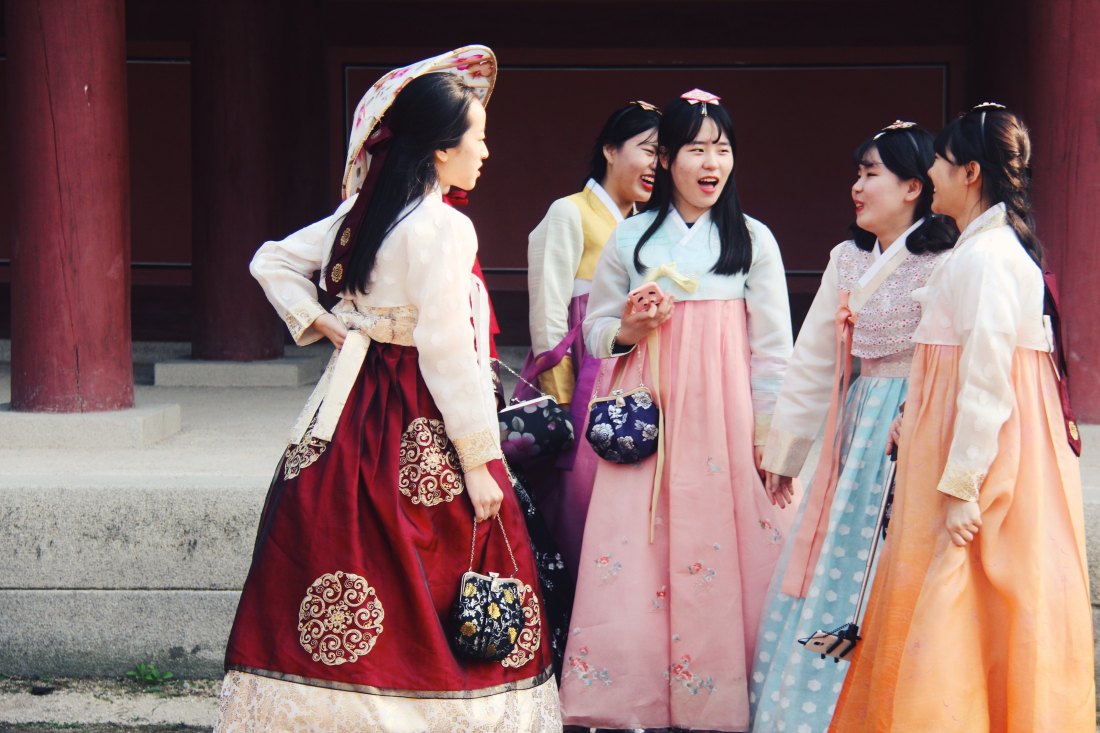


Past, Present, and Future: Nigeria

Hello, and welcome to the third week of The Global Fashion Files! This week, we will explore Nigeria! The traditional fashion in this beautiful country is often a colorful expression of an individual’s ethnic group, social class, religion, and region. We will discuss the traditional and Western (American and European) styles of women’s fashion in Nigeria, and we will look forward to Nigeria’s flourishing future in fashion!

Past: Some of the earliest African articles of clothing were created in Nigeria. Evidence suggests the garments may date back to 2000 B.C. or earlier. Single, full-length pieces of fabric were wrapped around the body, forming the basis of African dress. With the emergence of trade routes, Nigeria acquired loom-spun textile technology and the world began to take notice of African fashion.

Early in its history, textiles and patterns became an integral part of Nigerian fashion. Developed in the 1800s by Yoruba women in southwestern Nigeria, adire was an indigo-dyed textile that was produced using resist-dye techniques. In modern day, adire has more color options than just indigo. It is possible to create more than four hundred unique patterns with this method. Traditionally, the patterns are hand painted or stenciled onto the fabric prior to its immersion in the intense blue dye. Every symbol in the patterns has a universally-acknowledged meaning, allowing the fabric to speak for itself.

As Africa’s most populous country, Nigeria is divided into many ethnic groups and tribes, each with a distinct style of traditional clothing. The main three ethnic groups include Hausa-Fulani, Yoruba, and Igbo. The traditional garb from these ethnic groups has been worn by Nigerians for many years.

Hausa-Fulani women often wear colorful abaya, or a loose robe-like dress, with matching blouses. It covers the entirety of the body, excluding the head, hands, and feet. Its main function is modesty, but it is still found in brilliant colors and prints.

The Yoruba people take great pride in their clothing, donning beautiful garments to showcase their wealth and status. While typical traditional styles are quite elaborate on their own, garments worn for special occasions are particularly stunning. Some of the garments frequently worn by women in the Yoruba ethnic group include iro, buba, and gele. Iro is a rectangular skirt draped around the body and tucked in at the end. A buba is a flowing, long-sleeved blouse with a V-neck or rounded neckline that falls slightly below the woman’s waist. A gele is a customary material that a woman wraps around her head in a variety of ways.

In the 1960s, traditional styles, or “trad styles,” in the Yoruba ethnic group became more fashionable than their older counterparts. The Oleku styles emerged with an emphasis on lace and damask fabric. In the 1970s, women wore their iros longer—past the knee—and the layering of garments was quite common. Yoruba women in the 1980s gravitated toward vibrantly-colored iro and buba in heavier, striped fabrics. The 1990s saw a rising interest in colorful silk fabric with unique accents, such as punched holes and fringes. In the early 2000s, premade gele styles came out, allowing women freedom from having to tie the garment.

In contrast to the Yoruba, the Igbo people did not prioritize fashion over function. For centuries, the Igbo wore clothing for the purpose of modesty.  The primary article of clothing for Igbo women is a wrap. Some wraps are designed to be worn on a daily basis while others are created for special events. Formal wraps are created with more expensive fabric.

Despite the somewhat structured appearance of most traditional Nigerian attire, it is very light and prioritizes the combination of different fabrics and prints. Many of the garments and symbols serve a purpose, acting as a nonverbal expression of an individual’s social status and creative identity. The beauty of traditional Nigerian clothing certainly lies in the storytelling of each garment.

Present: Today, fashion in Nigeria is incredibly varied with daily styles ranging from Western clothing to traditional Nigerian garb. Young women in present-day Nigeria tend to favor modern Western styles, but they can also be found donning traditional, albeit slightly more contemporary, Nigerian apparel. Despite the disparity in fashion styles, bright colors and striking patterns are still the prevailing choices among Nigerian women, regardless of what they wear.

While many young women associate traditional Nigerian styles with their mothers, some designers have modernized African dress to attract a younger customer. Shade Thomas-Fahm, a formally-trained fashion designer, created premade geles and transformed iros into zip-up wrap skirts. These adaptations of traditional styles are helping younger women develop a growing appreciation for trad styles.

african-woman-1580545_960_720

Image: Nigerian Trad Style

The popularity of Western styles as well as the desire to preserve traditional Nigerian garb has led to a plethora of style options in the country. In Lagos, many individuals seek out tailors or high-end Western brands, such as Prada or Moschino, when purchasing clothing. However, there is a growing interest in local designers who are merging the traditional Nigerian and modern Western styles. Because many Nigerians designers study aboard and return to the country after completing their education, there is a large variety of fusion fashion.

With its distinctive blend of old and new, Nigeria’s fashion industry, especially its designers, is gaining international attention. Amaka Osakwe, considered one of Nigeria’s most interesting designers, made headlines when Michelle Obama sported a chiffon blouse made by Osakwe’s brand, Maki Oh, while on a tour of South Africa. In addition, nineteen-year-old Taofeek Abijako became the youngest designer to present his menswear collection—a minimal streetwear collection that incorporated some bold colors and traditional garments— at the 2018 New York Fashion Week: Men’s. All of these designers take cues from the European and American fashion industries while incorporating elements from Nigerian trad style.

As well as cultivating new design talent, Nigeria is beginning to expand its fashion industry with the creation of fashion magazines, local fashion shows, and schools dedicated to training individuals for the fashion industry. Arise—a pan-African fashion magazine that started in 2009—features articles about the continent’s creative talent and even organizes fashion weeks in Lagos to promote local designers. Omoyemi Akerele, a driving force behind Lagos Fashion and Design Week, started the Modern Day School of the Arts in 2012 to expose Nigerian students to courses in fashion, photography, and other creative endeavors. It is clear many individuals are committed to expanding the Nigerian fashion industry.

Nevertheless, Nigerian designers still face many challenges. The lack of resources and proper training force many fashion designers to seek materials and training abroad. Furthermore, the lack of financial support as well as the need for fashion regulations and a better retail market to promote local designers are other hindrances that require attention from the government. If taken into account, the fashion industry in Nigeria could play an important role in the country’s economy.

Future: Despite some challenges, Nigeria’s fashion industry is growing quite rapidly, gaining ground locally and internationally. Many influential individuals are working toward the expansion of the country’s fashion industry and greater exposure for the nation’s designers. Furthermore, worldwide fashion trends, including sustainable fashion and 3D printing, are seeping into the Nigerian fashion industry, encouraging it to embrace the future.

It is predicted that Africa will have the leading population of working adults—with many individuals in the middle class and wealthy sectors —by 2040. This could mean a greater number of individuals with a higher disposable income, which is beneficial for the fashion industry. Because of this information, Nigeria is gaining attention from international brands and becoming a premier shopping destination. The changing retail market in Lagos means that many consumers will not have to leave the country to purchase luxury international brands. Instead, it will be possible for consumers to shop at destinations where luxury European and American brands are sold alongside apparel created by regional designers.

When it comes to future trends in fashion, some Nigerian designers are taking cues from abroad, utilizing sustainable materials and 3D printing technology. Trashion A La Mode, an event held to celebrate World Environment Day, is organized annually to bring attention to the waste problem in the fashion industry and Nigeria. Nigerian designers are encouraged to reuse or recycle materials into fashionable garments. Some of the garments presented at the 2018 show included a light blue blouse with a woven aluminum can embellishment around the neckline, a dress with the bodice made of a nylon tarp and the skirt constructed of balloons, and a Styrofoam garment that resembled leather. The designers who participate in this show attempt to increase awareness of the country’s waste problem and promote the need for more sustainable fashion in the future.

In addition to sustainable fashion, 3D printing is attracting attention. The lack of materials to make garments and scarcity of manufacturing facilities that can produce apparel provides Nigeria with a particular incentive to investigate 3D printing as a possible fashion manufacturing method.  However, 3D printing technology still needs time to develop. If the technology continues to improve, it could stimulate a fashion manufacturing rebirth in Nigeria.

The Last Stop: Nigeria is a fascinating country with a burgeoning fashion industry. On the streets of Lagos, it is common to see modern apparel alongside traditional styles as many of the country’s designers blend the best elements of fashion from the past and present. Despite its challenges, the country’s colorful prints, bold designs, and a growing demand for fashion distinguish the nation from its counterparts, making it a true contender on the world’s fashion stage.

Thank you to all of my readers! If you found this information helpful and inspiring, or you would like to see a specific topic featured in one of my weekly blog posts, leave a comment! Be sure to check out my previous posts on the past, present, and future of fashion in France and Egypt, and stay tuned for my next post on the past, present, and future of fashion in Japan!

My Resources, Your Resources:

Balogun, Vincent A., Omonigho B. Otanocha, and Akii O. Ibhadode. “The Impact of 3D Printing Technology to the Nigerian Manufacturing GDP.” Modern Mechanical Engineering, vol. 8, 2018, pp. 140-157. Accessed 29 Sept. 2018.

Brooks,  Jazmin. “19-Year-Old Nigerian Becomes the Youngest Designer to Show at Men’s NYFW.” Essence, 11 July 2018, https://www.essence.com/fashion/nigerian-designer-youngest-show-new-york-mens-fashion-week/. Accessed 29 Sept. 2018.

Menkes, Suzy. “Nigeria, On the Fashion Catwalk.” The New York Times, 14 Nov. 2012, https://www.nytimes.com/2012/11/15/fashion/15iht-flagos15.html. Accessed 29 Sept. 2018.

“Nigerian Fashion Industry.” Nigerian Embassy, http://www.nigeriaembassy-dz.org/nigeria/nigeriafashion.php. Accessed 29 Sept. 2018.

“Nigerian Traditional Clothes.” Interesting Africa Facts, https://interesting-africa-facts.com/African-Garb/Nigerian-Traditional-Clothing.html. Accessed 29  Sept. 2018.

Odu, Mazzi. “Destination Africa: The Future of Fashion.” The Guardian, 22  Oct.  2017, https://guardian.ng/life/destination-africa-the-future-of-fashion/. Accessed 29 Sept. 2018.

Olarewaju, Olamide. “How Trad Styles Have Changed Over the Years.” Pulse, 10 Jan. 2017, https://www.pulse.ng/lifestyle/fashion/nigerian-fashion-how-trad- styles-have-changed-over-the-years-id7399346.html. Accessed 29 Sept. 2018.

“Sustainable Fashion In Nigeria: Where Are We?” Leadership, 14 July 2018,          https://leadership.ng/2018/07/14/sustainable-fashion-in-nigeria-where-are-we/. Accessed 29 Sept. 2018.

“The Evolution of Nigerian Fashion.” Open Skies Magazine,           https://openskiesmagazine.com/the-evolution-of-nigerian-fashion/. Accessed 29 Sept. 2018.

Udé, Iké. Foreword. New African Fashion, by Helen Jennings. Prestel, 2011, pp. 7-23.

Past, Present, and Future: Egypt

Hello, and welcome to the second week of The Global Fashion Files! This week, we will explore Egypt, a country best known for inspiring trends in bold makeup, colorful jewelry, and extravagantly-detailed beaded dresses. We will examine the past and present women’s styles of Egyptian fashion, and we will also take a look at Egypt’s future in fashion!

Past: Fashion in ancient Egypt is often considered to be the most interesting and decorative in its history. From 3000-300 B.C., many of the garments fashioned for women featured decorative nature or religious motifs. Some of the most popular motifs were the scarab, sacred cobra, hawk, Eye of Horus, and lotus blossoms. Each of them signified something important, such as rebirth, the lower and upper areas of Egypt, and other spiritual figures.

Fabric options were fairly limited in ancient Egypt. Linen, a fiber derived from the flax plant, was the primary fabric. Frequently, the linen remained undyed or was bleached to pure white. Wool, which was considered unhygienic, was rarely used for garments.

Pleating and ornamentation were rather common in women’s garments. Horizontal, vertical, and herringbone pleats are seen in some linen garments from this period. Other garments owned by members of the Egyptian upper class featured beaded fabrics, woven patterns, embroidered patterns, and applique as well.

Despite these techniques for incorporating colors, patterns, and embellishments into ancient Egyptian clothing, many of the garments were quite simple. Few of the garments had seams as many women draped and knotted the fabric around their bodies. It was unnecessary to wear heavier fabrics, which would be more difficult to wrap, in Egypt’s warm, dry climate.

Throughout this period, women primarily wore loosely-wrapped skirts and dresses, V-necked dresses, bead-net dresses, shawls, and sashes to hold garments in place.  A tight sheath dress—a tube of fabric that began around the chest and ended around mid-calf or ankle, with or without straps to secure the garment—was the most common style for women from all class levels. Pleated and draped long dresses were wrapped in a variety of ways, allowing women to decide what style they wanted to wear each day. Loose-fitting tunics, worn by women and men, were popular choices as well.

Egypt Fashion 1.jpg

Image: A wall painting featuring typical examples of ancient Egyptian fashion.

Bead-net dresses are perhaps the most striking and intricate garments from ancient Egypt. It was possible to make the dress in two ways: by sewing thousands of multicolored faience beads in geometric patterns to a simple linen dress base or by threading the multicolored beads onto net mesh. This type of dress was worn by affluent women, mainly priestesses and upper-class women, for celebrations. However, women from lower classes tried to replicate the effect of the dress by wearing elaborate waist-strings around their plain linen garments. Archaeologists recovered about twenty bead-net dresses, which are kept in museums around the world, displaying the beauty and intricacy of the beadwork.

Despite the beauty of and religious meaning behind the fashion in ancient Egypt, the styles did not endure through the Greek and Roman control of the country. Individuals embraced the Greek and Roman styles, abandoning many of the traditional Egyptian garments. Nevertheless, many garments from ancient Egypt are preserved in museums around the world and showcased in Egyptian wall paintings.

Present: Today, fashion in Egypt is fairly conservative yet quite fashionable. Egypt is a primarily Muslim country, but there are no particular clothing requirements for women. Some women wear a niqab, a garment that covers the face, or a hijab, a covering for the hair and neck. Other head coverings, such as scarves, are utilized as well. Hijabs have even garnered attention from designers that are creating them in a variety of fabrics, colors, and patterns to provide options for women who wear this garment.

Egypt 2

Image: A woman wearing a printed head covering.

Modest fashion for women, including long pants, jeans, long-sleeved sweaters and shirts, jackets, shawls, oversized dresses, and long skirts, is the most popular style. While the conservative style is quite apparent, bright colors abound. Colors like fuchsia, green, red, and blue as well as a variety of prints can be found on many garments, such as oversized dresses and long skirts. Young women can often be spotted wearing a brightly-colored hijab accompanied by a pair of jeans, a long-sleeved shirt, an oversized cardigan, and sporty sneakers, ballet flats, or high heels. However, you are more likely to find these fashionable garments in large cities, such as Cairo, as opposed to smaller areas. In smaller towns, most women wear customary long, loose-fitting dresses and hijabs or niqabs in darker colors.

Future: The fashion industry in Egypt has great potential to grow in the future with a focus on up-and-coming designers, fashion technology, and fashion education. Several of the country’s young designers are gaining attention in Egypt and abroad, and a few are utilizing technology with different purposes in their designs. Recently, an academy was even created to help young women hone their skills and become the next big Egyptian designer.

In 2018, Egyptian fashion designer Farida Temraz presented her collection at New York Fashion Week. She debuted her first collection in 2014 in Paris, gaining the attention of many American celebrities who went on to wear her designs. She won the award for best female couture designer at 2017 New York Fashion Week and continues to design luxurious apparel. Her modern, slightly avant-garde designs often incorporate intricate beadwork, fringe details, pleating, and column-like silhouettes, paying homage to certain ancient Egyptian elements.

In contrast, some Egyptian designers are choosing to look to the future for inspiration instead of the past. Sara Hegazy is an up-and-coming designer who has showcased her work in Europe and earned numerous awards for her designs. She often integrates fiber optics, laser cutting, and 3D printing into her more high-end designs, experimenting with what is referred to as “haute-tech fashion.” Despite her attempts to bring attention to the technology, Sara admits that Egypt still favors conventional materials and hand embroidery. Therefore, Egypt still requires time to adapt to the changing technology in fashion.

To encourage and train future designers for the ever-changing fashion industry, the Young Fashion Academy (YFA) launched in June 2012 to fill a void in fashion education. Founded by Tamr Adly Rizkallah, a fashion designer, the academy teaches girls ages nine to seventeen about the fashion industry. Specific skills, such as sketching, illustrating, rendering, patternmaking, and sewing, are highlighted in the courses. In addition, students research inspiration sources, recognize trends, and learn about fabrics in courses that can last from one month to two years. It is the academy’s goal to provide its students with the support and education they need to eventually pursue a creative occupation.

The Last Stop: Egypt has a fascinating fashion history from the gorgeous, intricate styles in ancient Egypt to the colorful, modest styles of today. Styles from ancient Egypt inspire individuals from all over the world, and many designers frequently turn to them for inspiration. The present fashions in Egypt are beautiful in their simplicity and have great potential for the future as the world develops a burgeoning interest in stylish modest garments. In addition, some of the country’s designers are gaining international acclaim, bringing attention to the Egyptian fashion industry. While certain designers are experimenting with the incorporation of technology into their garments, hand embellishment methods and traditional materials still reign supreme. Nevertheless, Egypt’s fashion industry continues to evolve as it supports promising young talent and gains recognition on the world’s fashion stage.

Thank you to all of my readers! If you found this information helpful and inspiring, or you would like to see a specific topic featured in one of my weekly blog posts, leave a comment! Be sure to check out last week’s post on the past, present, and future of fashion in France, and stay tuned for next week’s country: Nigeria!

My Resources, Your Resources:

Bizawe, Eyal Sagui. “Hijab Fashion in Egypt: A Lot More Than Meets the Eye.”        Haaretz, 10 Apr. 2014, https://www.haaretz.com/.premium-a-look-at-hijab- fashion-in-egypt-1.5244647. Accessed 23 Sept. 2018.

Helmy, Heba. “The Future of Fashion: New Academy Develops Promising Talent.” Egypt Independent, 26 Dec. 2012,     https://www.egyptindependent.com/future-fashion-new-academy-develops-promising-talent/. Accessed 23 Sept. 2018.

Katrandjian, Olivia. “A Woman’s Guide to Visiting Egypt.” Huffington Post, 28 Dec. 2011, https://www.huffingtonpost.com/olivia-katrandjian/a-womans-guide-to-visitin_b_1063486.html. Accessed 23 Sept. 2018.

Mandal, Dattatreya. “Stunning Bead-Net Dresses: The Zenith of Ancient Egyptian     Fashion.” Realm of History, 7 Mar. 2017,         https://www.realmofhistory.com/2017/03/07/bead-net-dresses-ancient-egypt/. Accessed 23 Sept. 2018.

Mendes, Valerie, and Amy de la Haye. Fashion Since 1900. 2nd ed., Singapore,         Thames and Hudson, 2010.

“Temraza Takes New York Fashion Week.” Cairo Scene, 6 Aug. 2018,           http://www.cairoscene.com/Fashion/Exclusive-Temraza-Takes-New-York-Fashion-Week. Accesed 23 Sept. 2018.

Tortora, Phyllis G., and Keith Eubank. Survey of Historic Costume.5th ed., USA,         Fairchild Books, 2010.
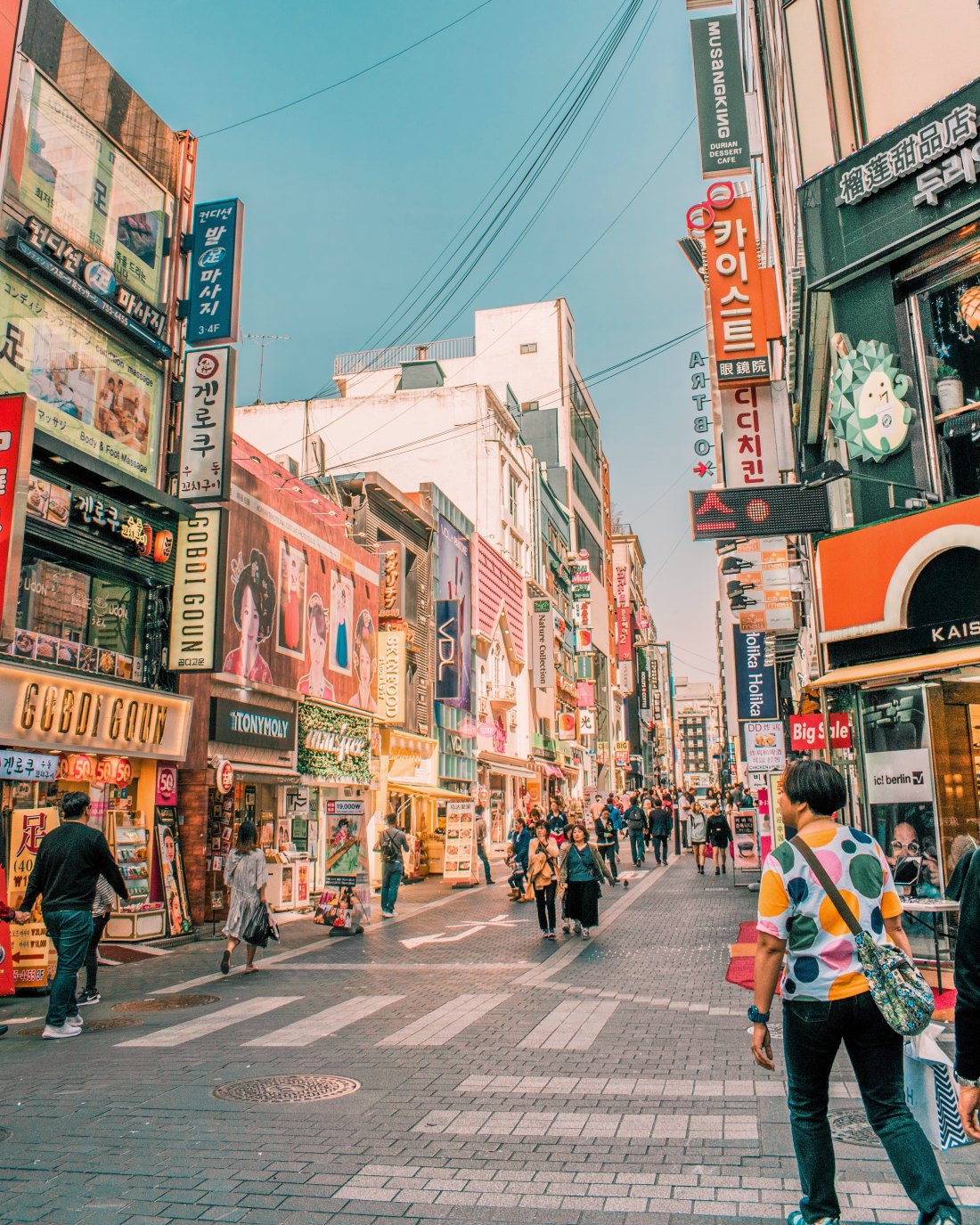
Yasser, Nayera. “Haute-Tech Fashion: Is Egypt Ready to Wear Technology on its      Sleeves?” Daily News Egypt, 4 Aug. 2016,       https://dailynewsegypt.com/2016/08/04/haute-tech-fashion-egypt-ready-wear-technology-sleeves/. Accessed 23 Sept. 2018.

Introduction/Past, Present, and Future: France

Hello, and welcome to my new blog, The Global Fashion Files! My name is Kylah, and I am a twenty-something-year-old Pennsylvania native with an interest in fashion and the world around me. Through the years, my extracurricular activities have ranged from being a design intern at a gymnastics apparel company to student editor of a fashion newsletter to assisting students from all over the world as a writing center tutor. I am currently a graduate student pursuing a degree in global fashion.

I was inspired to start this blog because I have always wanted to explore fashion in different countries and expand my understanding of the global fashion industry. In order to satisfy my curiosity regarding this topic, I will feature one country each week and discuss topics, such as styles, designers, and technology, related to its past, present, and future in women’s fashion. To begin, we will explore the country considered to be the birthplace of fashion: France!

Past: Much of the allure of French fashion can be traced to the Baroque and Rococo styles in the seventeenth and eighteenth centuries. Baroque—characterized by extravagant embellishment, heavy fabrics, and dark, formal elements—emerged as the prevailing style during Louis XIV’s reign (1661-1715). For formal events, women often wore a three-piece gown, including an over-gown, complementary petticoat, and train, called a mantua. A stiff stomacher, an ornamented triangular panel that fits into the gap of the front of the gown, was worn in conjunction with a mantua and a corset. Informal attire was slightly less restrictive with the sack-back gown, better known as the Watteau gown, featuring pleats on the shoulder and a loose fabric panel cascading down the back of the gown.

The styles of the Rococo period, primarily coinciding with the reign of Louis XV (1715-1774), were more sophisticated, whimsical, and light than the styles of the Baroque period. The classic Rococo gown was the robe à la française that featured a pleated cut at the back and a fitted front. Many of these gowns also had open bodices and skirts to exhibit ornamental stomachers and petticoats. Wide hoops of different shapes, or panniers as they were known in France, helped form the silhouette of the dress. These gowns often showcased nature motifs, understated colors, and intricate decorations, such as ribbons, feathers, and artificial flowers.

From 1795 to 1820, the Empire style was a drastic departure from the more rigid Rococo and Baroque styles. Similar to gowns shown on ancient Greek statues, this style often utilized white gauzy fabrics, including cotton and muslin from India, to create dresses with a higher waistline under the bosom and a low, square neckline. Many women abandoned their corsets and began using shawls and short jackets for modesty and warmth.

In the nineteenth century, Charles Frederick Worth, purported founder of French couture, established Paris as the fashion center of the world. He designed gowns for many famous women, including Empress Eugenie and Queen Victoria, and helped found the Chambre Syndicale de la Couture Parisienne, an organization of couturiers that is still active. He is credited with coining the term “haute couture,” or “high dressmaking.” In order for something to be classified as “haute couture,” it must be constructed by hand from beginning to end and created by fashion houses that are registered with and regulated by French law.

During the twentieth century, France gained the world’s attention again with several emerging designers and fashion styles. Beginning in the 1920s, Gabrielle “Coco” Chanel became popular for designing simple wool jersey dresses and tailored jackets. She is credited with creating “the little black dress” and her signature tweed suits.

In 1947, following the end of World War II, Christian Dior shocked the world with the release of his “New Look.” With a full skirt, a narrow waistline, and slightly sloped shoulders, it was a luxuriously feminine style that accentuated the female form. Each of Dior’s creations required twenty-five yards of fabric, making this style an extravagant departure from wartime rationing.

During the late twentieth century, new couture and ready-to-wear designers brought fresh ideas to the Paris fashion scene. Yves Saint Laurent, Sonia Rykiel, and Karl Lagerfeld are just a few designers who showcased unique design perspectives and offered customers a variety of style options. French ready-to-wear brands also began to thrive as styles became more varied and a greater number of fashion influences, including music, movies, television, and the internet, emerged.

Present: French women have often been regarded as the most fashionable in the world. Through the years, French style has earned a reputation of being minimalistic, elegant, and classic. This statement is still applicable to many of the styles that grace the streets of Paris today.

It is said that French women develop a signature style, often rejecting certain trends in favor of tried-and-true wardrobe pieces. Menswear-inspired garments, striped shirts, neutral colors, trench coats, and scarves dominate the wardrobes of women. Saint James, H&M, Gap, and Zara are popular brands in France along with higher-end brands like Yves Saint Laurent, Chanel, and Hermes.

French Fashion

Image: A style typically seen on the streets of Paris.

For the average consumer, less expensive ready-to-wear and fast fashion brands are the practical choice for purchasing clothing—other than the occasional investment piece bought from a premium or luxury brand. While international brands, such as H&M, are common purchases, French fashion brands, such as Maje, Antoine et Lili, and IKKS, are admired as well. Each of these firms has their own brand identity with Maje portrayed as ladylike and carefree and IKKs featuring more classic styles with playful touches to cater to a younger demographic.

Despite the popularity of lower-end, premium, and luxury brands, haute couture still exists in France. More than thirty fashion houses showcase their couture designs twice a year in Paris, but there are only fourteen permanent members of the Chambre Syndicale de la Couture Parisienne. With fewer than two thousand clients globally, haute couture is no longer a profitable business. Many fashion houses continue their couture operations to preserve the artistic aspects of the trade and use it as a marketing tool for more profitable endeavors, such as their more reasonably priced apparel lines, fragrances, and handbags.

Future: Because France is often referred to as “the birthplace of fashion,” it is reasonable to consider its future. France’s fashion industry is steeped in tradition, but it is also one of the most advanced European countries in fashion technology. From a strong e-commerce market to fashion technology-oriented trade shows, France has a promising future in fashion.

Just as in most of the world, e-commerce in France is an important part of the country’s fashion industry. France is the sixth-largest e-commerce market in the world with apparel products among the top-selling items. The amount of money French internet users spend on apparel may increase as the world’s e-commerce fashion segment is expected to grow to $475 billion by 2022.

In addition to its strong showing in e-commerce, France has several established fashion technology trade shows and publications. The FashionTech Expo is held annually, and ModeLab is a publication dedicated entirely to fashion technology. The country also plays host to Première Vision, a prominent apparel textiles and accessories trade show. In 2017, it unveiled the Wearable Lab to evaluate and encourage the pairing of traditional fashion and digital technology. Thus far, exhibitors have ranged from Lectra, a company known for their fashion lifecycle software, to the VISAGE project, a company that produces software for the virtual design of three-dimensional fabric and yarn samples.

While the future of fashion in France appears to be international and local ready-to-wear brands, haute couture is not dead. A study conducted by Bain & Company states that the spending power of Generation Z and Millennials will account for forty-five percent of the global luxury goods market by 2025. Many of the new haute couture customers—women in their twenties and thirties from diverse backgrounds—are encouraging the couture sector to modernize its designs while maintaining the integrity of the art form. Although couture only has a small pool of steady customers, these individuals are dedicated to preserving this French tradition.

In addition to technology, new independent designers are moving the French fashion industry into the future. The Haut Marais district in Paris is full of independent fashion designers creating unique garments in small ateliers, or studios. It is fast becoming a fashion-forward destination with each designer offering a distinct point-of-view. Due to their growing popularity, it is quite possible small districts featuring storefronts operated by independent designers may become the future of fashion in France.

The Last Stop: France played an integral role in the formation of the modern fashion industry. From the more cumbersome and ostentatious styles of the Baroque and Rococo periods to the haute couture designs of Dior to the elegant and minimalist styles of today, French fashion has greatly evolved through the years. Haute couture—potentially one of France’s greatest fashion achievements—continues to face rumors of its demise despite its initial popularity. Nevertheless, fashion houses manage to maintain a clientele of diverse young women dedicated to sustaining haute couture. Moving forward, France is cementing its place as a fashion leader by investing in technology, e-commerce, and emerging design talent. It will be interesting to see if France combines the best elements of its past and present for the advancement of its future in fashion.

Thank you to all of my readers, and I hope you have found this information helpful and inspiring! Stay tuned for next week’s country: Egypt!

My Resources, Your Resources:

Bala, Divya. “How Millennials Have Become Couture’s Biggest Client.” Vogue UK, 11 July 2018, https://www.vogue.co.uk/article/millennials-coutures-biggest-clients. Accessed 11 Sept. 2018.

Bourne, Leah. “12 Timeless Fashion Secrets to Steal from French Fashion Stars.” StyleCaster, Aug., http://stylecaster.com/french-women/. Accessed 11 Sept. 2018.

Dietz, Kasia. “Why Haut Marais is Paris’s Coolest Designer District.” Independent UK, 11 June 2018, https://www.independent.co.uk/travel/europe/paris-haut-marais-neighbourhood-designers-boutique-shopping-why-cool-a8393236.html. Accessed 11 Sept. 2018.

Hare, Mairi. “Tech Couture: Future French Fashion.” Sourcebook EU, 23 Feb. 2018,    https://sourcebook.eu/en/blog/tech-couture-future-french-fashion.  Accessed 11 Sept. 2018.

Indvik, Lauren. “Couture in Numbers.” Vogue UK,           https://www.vogue.co.uk/partnerships/couture-in-numbers. Accessed 11 Sept. 2018.

Ledsom, Alex. “11 Local Brands All French People Love.” The Culture Trip, 17 Jan. 2018, https://theculturetrip.com/europe/france/articles/11-local-brands-all-french-people-love/.  Accessed 11 Sept. 2018.

Mackenzie, Mairi. …Isms: Understanding Fashion. Singapore, Universe Publishing, 2010.

Mendes, Valerie, and Amy de la Haye. Fashion Since 1900. 2nd ed., Singapore,         Thames and Hudson, 2010.

Orendorff, Aaron. “The State of the Ecommerce Fashion Industry: Statistics, Trends & Strategy.” Shopify, 16 Mar. 2018, https://www.shopify.com/enterprise/ecommerce-fashion-industry. Accessed 11 Sept. 2018.

Peoples, Landon. “Me, Paris, & The $100K Dress.” Refinery 29, 16 July 2018,           https://www.refinery29.com/2018/07/203471/haute-couture-paris-fashion-schiaparelli-design-history. Accessed 11 Sept. 2018.

Rodulfo, Kristina. “How 14 French Women Define French Style.” Elle, 28 Oct. 2015, https://www.elle.com/fashion/personal-style/tips/g27203/how-french-women-define-french-style/?slide=1. Accessed 11 Sept. 2018.

Tortora, Phyllis G., and Keith Eubank. Survey of Historic Costume.5th ed., USA,         Fairchild Books, 2010.